 Modelling4Comfort
Plant Displays Series
Project Concept
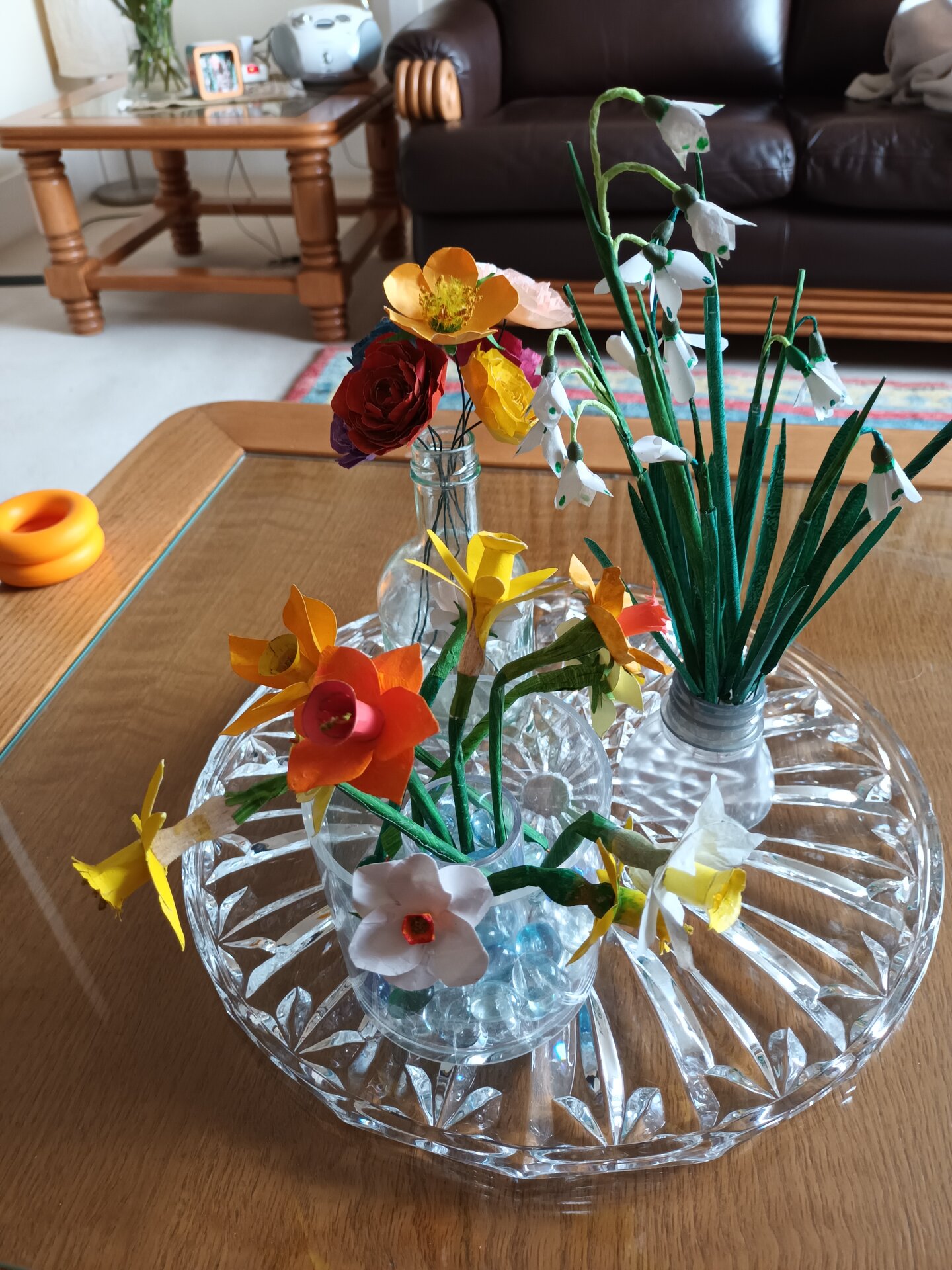
The Plant Displays Series is a unique, ongoing scratch-build project focused on creating detailed botanical models for selected plant species. Unlike typical single-build projects, this is a living collection that grows over time, with individual plants at various stages of completion.
Each plant display aims to be both an artistic representation and an informative showcase of the plant’s characteristics, including:
- Leaf models - Scratch-built, pressed specimens, and resin-cast versions
- Flower models - Paper construction, clay modeling, resin casting
- Seedling representations - Early growth stages
- Mature plant models - Full-grown specimens
- Root systems - Carved from wood to show underground structure
- Seeds, bulbs, and corms - Encased between DC fix and Perspex, or carved from wood
- Seasonal displays - Showing the plant at different times of year
- Situational context - Mini-dioramas with landscape and companion plants
Each completed display includes an etched identification plate with the date, plant name, and author.
Design Philosophy
This project embraces an impressionistic approach rather than strict botanical accuracy. The displays are artistic interpretations that capture the character and beauty of each plant while providing informative context about its structure and growth.
Key principles:
- No manufactured plastic or 3D-printed materials
- Natural materials whenever possible
- Board size and layout vary per plant based on flower/leaf complexity
- Completion may take several years per plant (material collection, seasonal work)
- Focus on plants that are loved, dramatic, interesting, or meaningful
The goal is not a scientific/botanical project but rather boards that are both beautiful and educational, conveying the essence of each plant through handcrafted artistry.
Plant Selection
Plants are chosen based on:
- Most loved species - Personal favorites
- Garden plants - Species from own garden with personal connection
- Dramatic characteristics - Visually interesting or structurally unique plants
- Memorial significance - Plants commemorating specific events or people
Current Collection - Quick Navigation
Jump to individual plants:
Bluebells | Daffodil | Poinsettia | Protea | Ranunculus | Snowdrops | Strelitzia
Current Collection Status
Bluebells
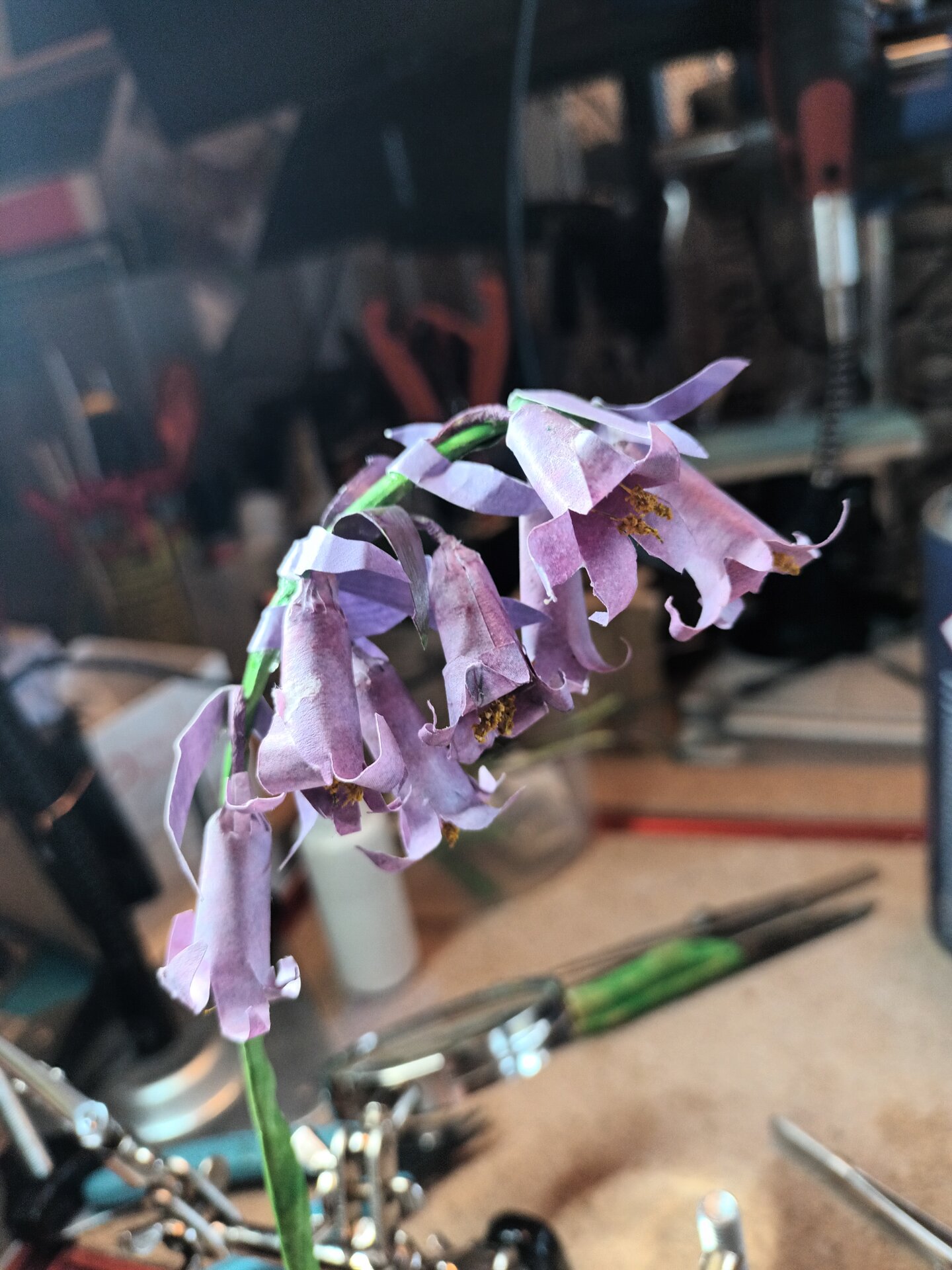
Status: In Progress - Planning & Initial Construction
Difficulty: Intermediate
British woodland native with distinctive drooping blue flowers. Extensive planning documentation covers bell-shaped flower construction techniques and woodland situational display concepts.
Daffodil
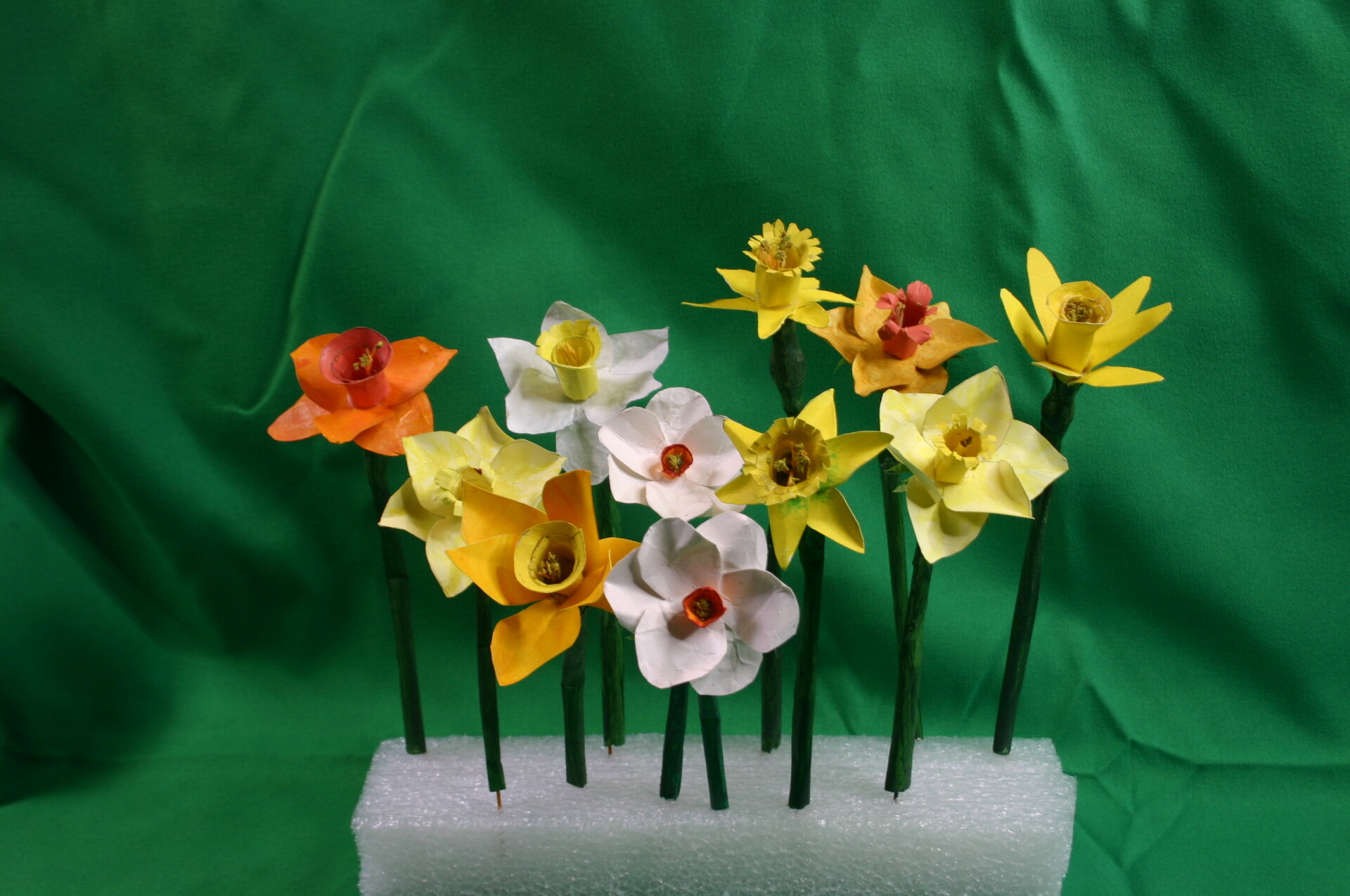
Status: In Progress - Research & Material Collection
Difficulty: Intermediate
Classic spring bulb with bright yellow blooms. Planning includes bulb carving concepts, trumpet flower construction, and leaf modeling approaches.
Ranunculus
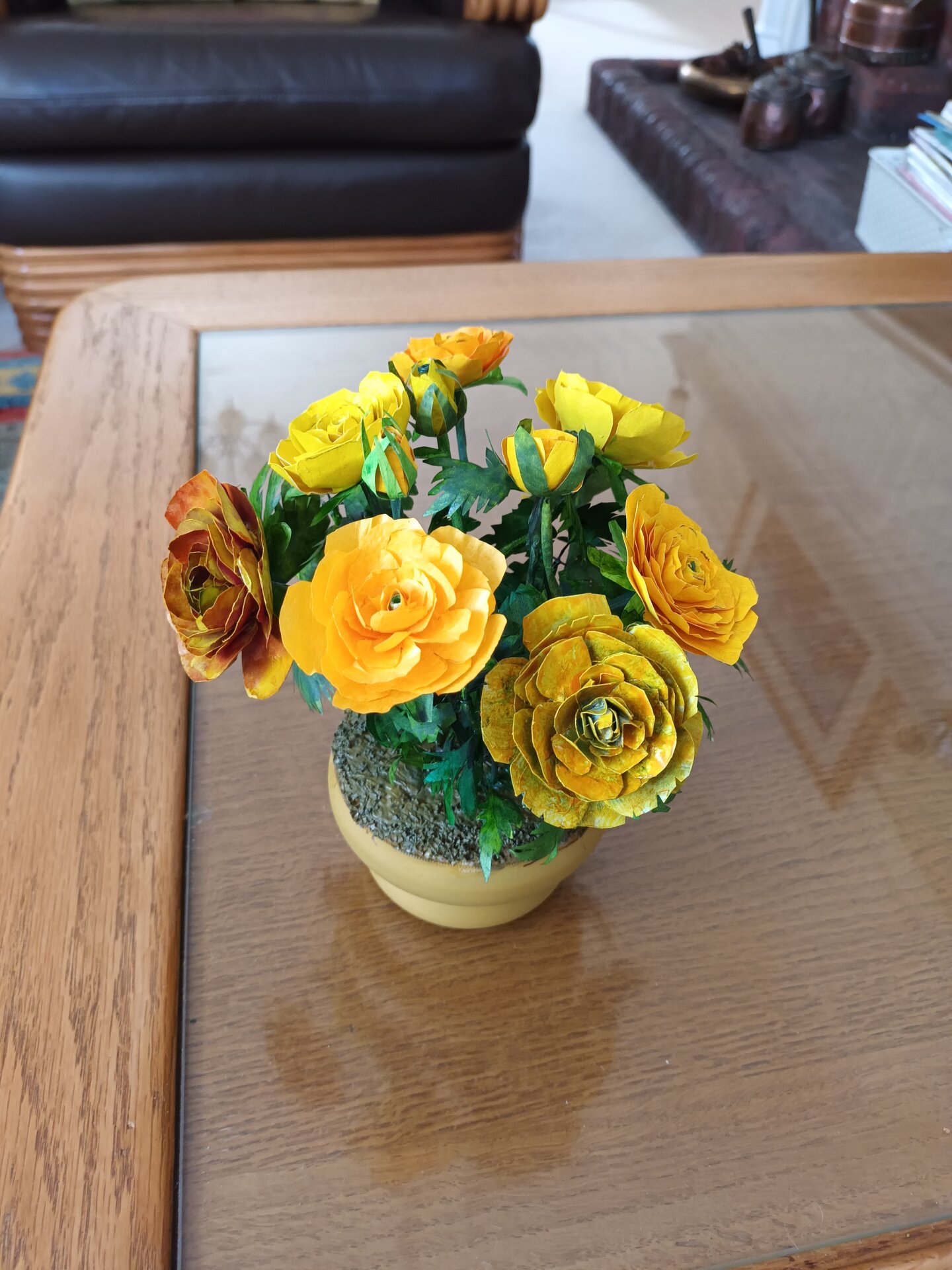
Status: In Progress - Extensive Planning & Active Construction
Difficulty: Advanced
Layered petaled flower with stunning color and delicate structure. Most technically challenging plant with extensive experimentation documented in planning phase. Multiple petal construction techniques explored.
Snowdrops
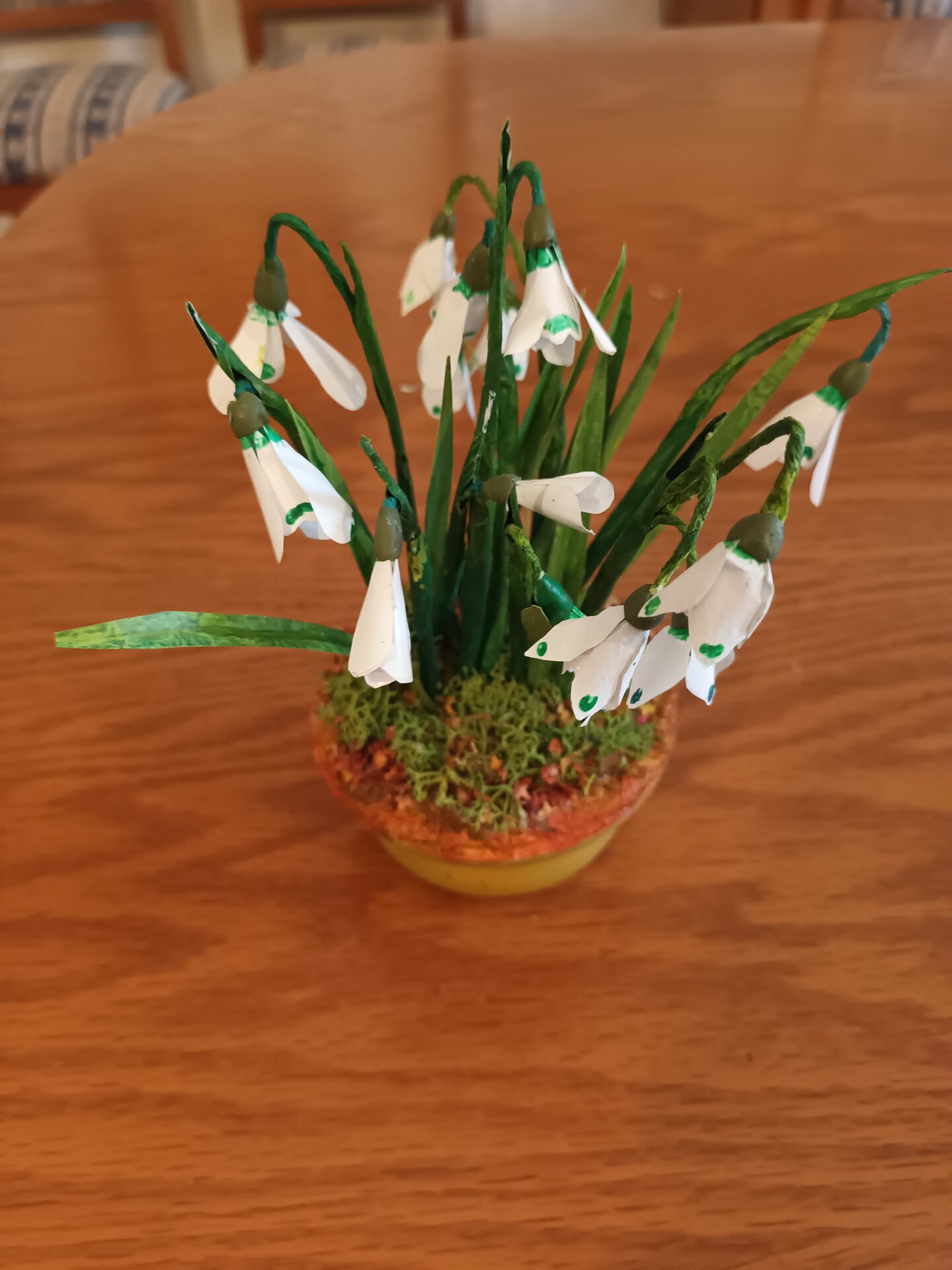
Status: In Progress - Planning & Early Construction
Difficulty: Intermediate
Images: 17 planning, 2 build, 5 gallery
Early spring bulb with delicate white flowers. One of the first plants in the series. Planning documentation includes bulb structure and delicate petal construction.
Construction Challenges
This project presents unique challenges compared to traditional dioramas:
Material Collection
Many components require seasonal collection of natural materials - pressed flowers at peak bloom, seed pods at maturity, leaves in various growth stages. This means some plants will take years to complete as materials become available through the seasons.
Scale and Board Design
Flower and leaf size/complexity varies dramatically between species. A protea flower is massive compared to a bluebell, requiring different board dimensions and layout strategies. Some plants may need:
- Multiple boards if too complex for single display
- Selective component inclusion based on available space
- Custom board sizes designed specifically for each species
Technique Diversity
Each plant requires different techniques:
- Wood carving for bulbs and root systems
- Resin casting for flowers (when size permits)
- Paper and clay construction for larger blooms
- Pressing and preservation for leaves and delicate flowers
- Encapsulation for seeds between transparent materials
Impressionistic Balance
Finding the right balance between artistic interpretation and informative representation - creating displays that are beautiful while still conveying the plant’s essential characteristics.
Future Plants Under Consideration
Candidate species for future addition to the collection:
- Rose - Classic garden flower with complex petal structure
- Foxgloves - Tall spires of tubular flowers
- Dahlia - Intricate layered petals in various forms
- Hibiscus - Unique and prominent stamen with large flower
- Poinsettia - large red flower
- Primula - wide range of flower shapes
- Protea - wide range of forms and large intricate flowers
- strelizia - uniquely formed flower
The collection will continue growing as new plants are selected based on the criteria above.
The Process
Each plant display typically involves:
- Plant Selection - Choosing species based on criteria (loved, dramatic, meaningful)
- Research - Understanding plant structure, growth cycle, varieties
- Material Collection - Gathering natural specimens, seeds, pressed flowers (may span multiple seasons)
- Design - Planning board layout, determining which components to include
- Construction - Creating individual components using various techniques:
- Root system carving
- Leaf pressing/resin casting
- Flower construction (paper/clay/resin)
- Seed encapsulation
- Situational diorama elements
- Board Assembly - Arranging components on display board
- Identification Plate - Creating etched plate with details
- Documentation - Photography and build log completion
Techniques and Materials
Scratch-Built Elements
All components are handcrafted from raw materials:
- Wood carving for roots, bulbs, corms
- Paper sculpting for large flowers
- Clay modeling for flower petals and leaves
- Hand-painted details and finishing
Natural Material Integration
Incorporating actual plant materials:
- Pressed flowers and leaves
- Seed pods and seeds
- Stems and roots (dried and preserved)
Resin Casting
Creating transparent resin casts of:
- Flowers (when size appropriate)
- Leaves showing vein structure
- Small specimens for permanent preservation
Display Board Work
Custom board design and construction:
- Various sizes based on plant requirements
- Layout planning for visual balance
- Integration of identification plates
- Mounting and presentation techniques
Project Timeline
This is a multi-year, ongoing project with no fixed completion date. New plants will be added as they are selected, and existing plants will progress as materials become available and construction time permits.
Some plants may remain “In Progress” for extended periods while waiting for:
- Seasonal material collection (flowers, seeds, leaves at different stages)
- Specific construction techniques to be developed
- Appropriate board materials or sizing decisions
- Complementary plants for situational displays
This flexible timeline allows the collection to grow organically and ensures each plant display receives the time and attention it deserves.
Significance
The Plant Displays Series represents a departure from traditional diorama work - instead of creating scenes or structures, this project focuses on celebrating individual plants through detailed, artistic botanical representations.
It combines:
- Artistic expression through handcrafted modeling
- Botanical education about plant structure and growth
- Personal connection to plants from own garden or memory
- Craft skill development across multiple techniques
- Long-term creative commitment to an evolving collection
Each completed display becomes both a decorative art piece and an informative botanical study, capturing the beauty and character of plants in miniature.
This is an active, evolving collection. Individual plant build logs document detailed construction progress, techniques, and challenges.
Build Logs - Individual Plants
Detailed documentation for each plant in the collection:
- Bluebells - Planning & Initial Construction (28 planning images, 5 build photos)
- Daffodil - Research & Material Collection (20 planning, 6 build, 1 gallery)
- Ranunculus - Extensive Planning & Active Construction - Advanced (58 total images - most documented)
- Snowdrops - Planning & Early Construction (17 planning, 2 build, 5 gallery)
Each build log includes planning documentation, construction progress images, and current status updates.
| *Build Time: Multi-year ongoing project | Type: Scratch-Build Botanical Series* |
Gallery

Have questions or feedback about this project? I'd love to hear from you.