 Modelling4Comfort
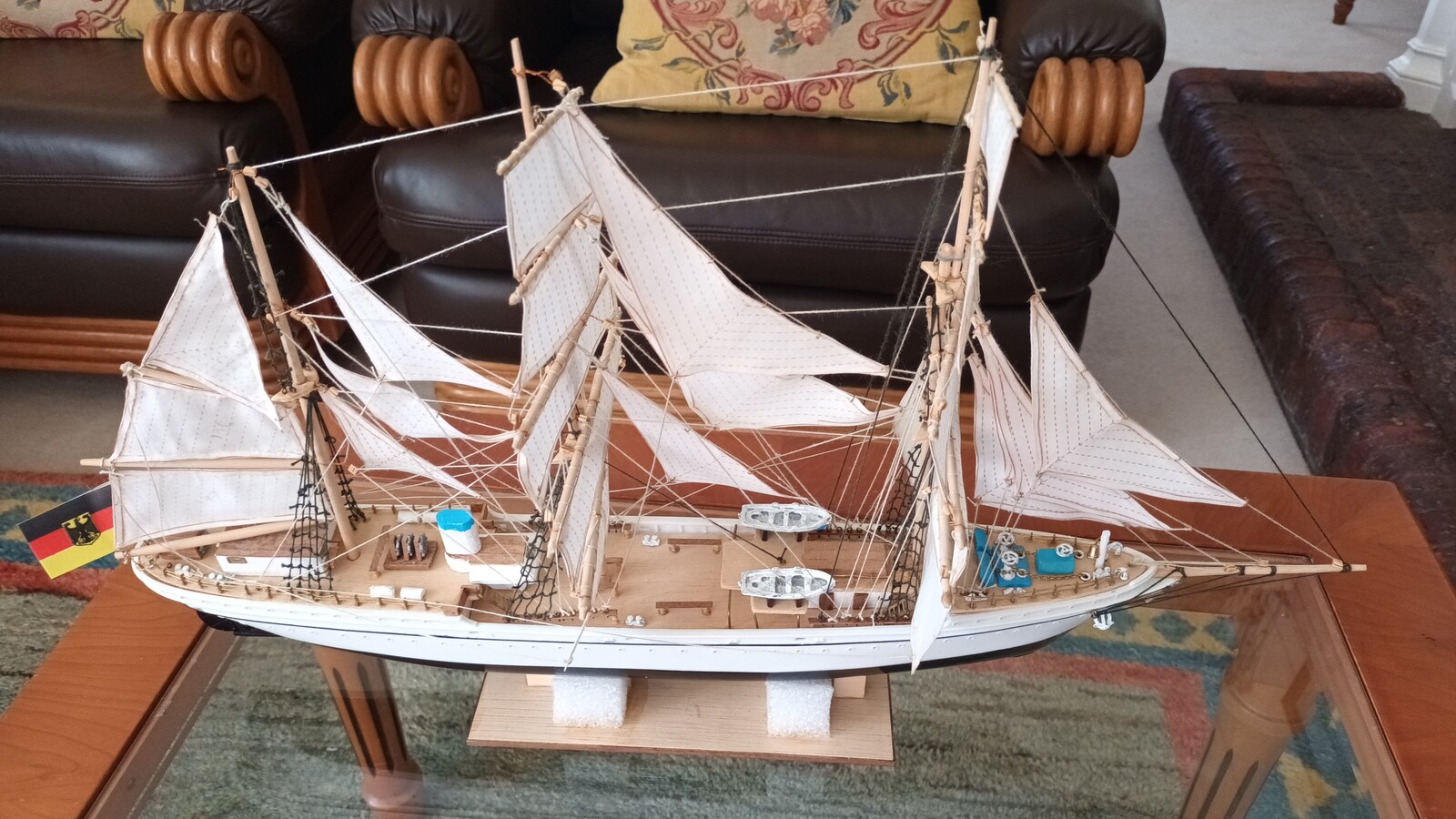
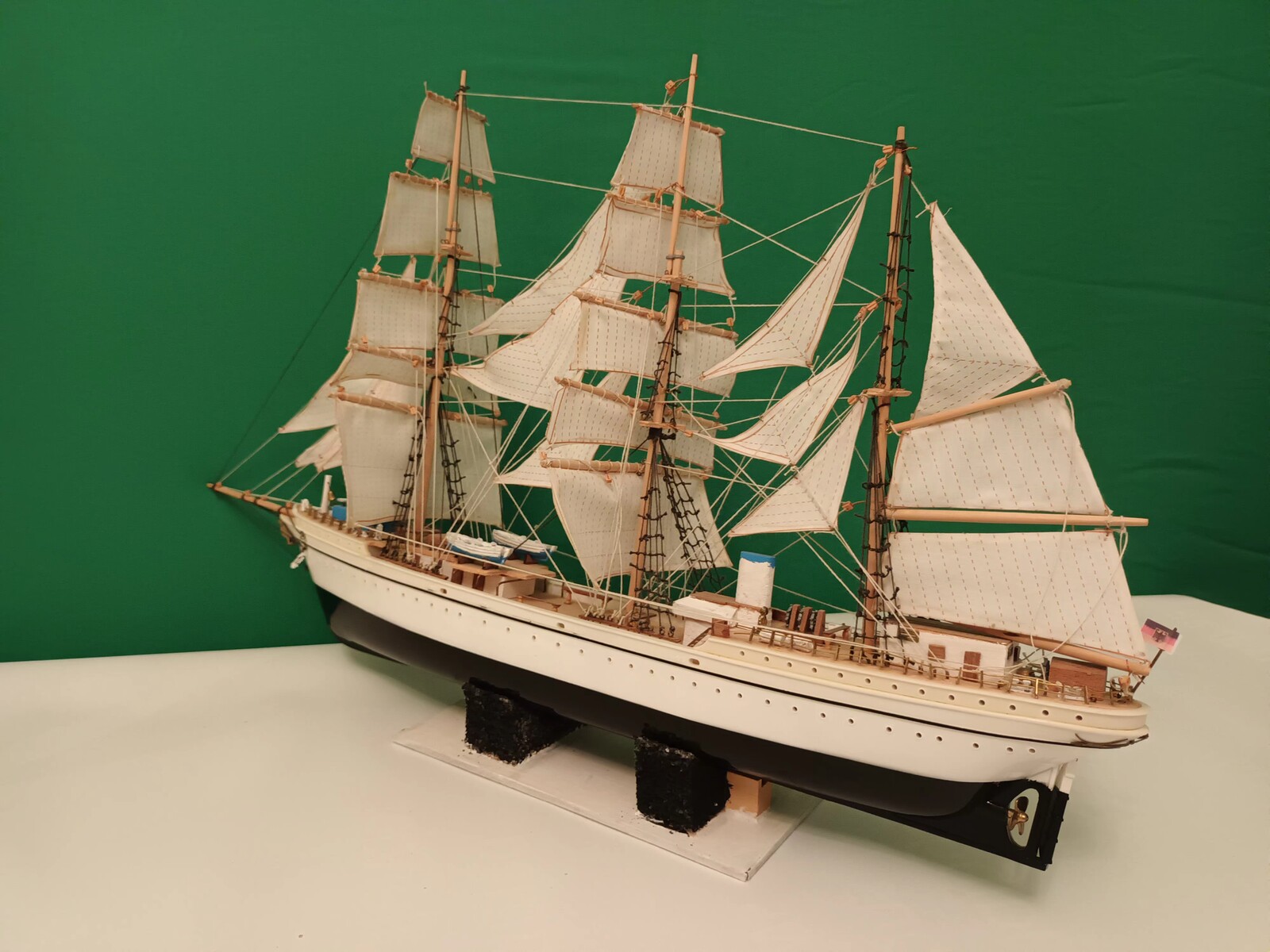
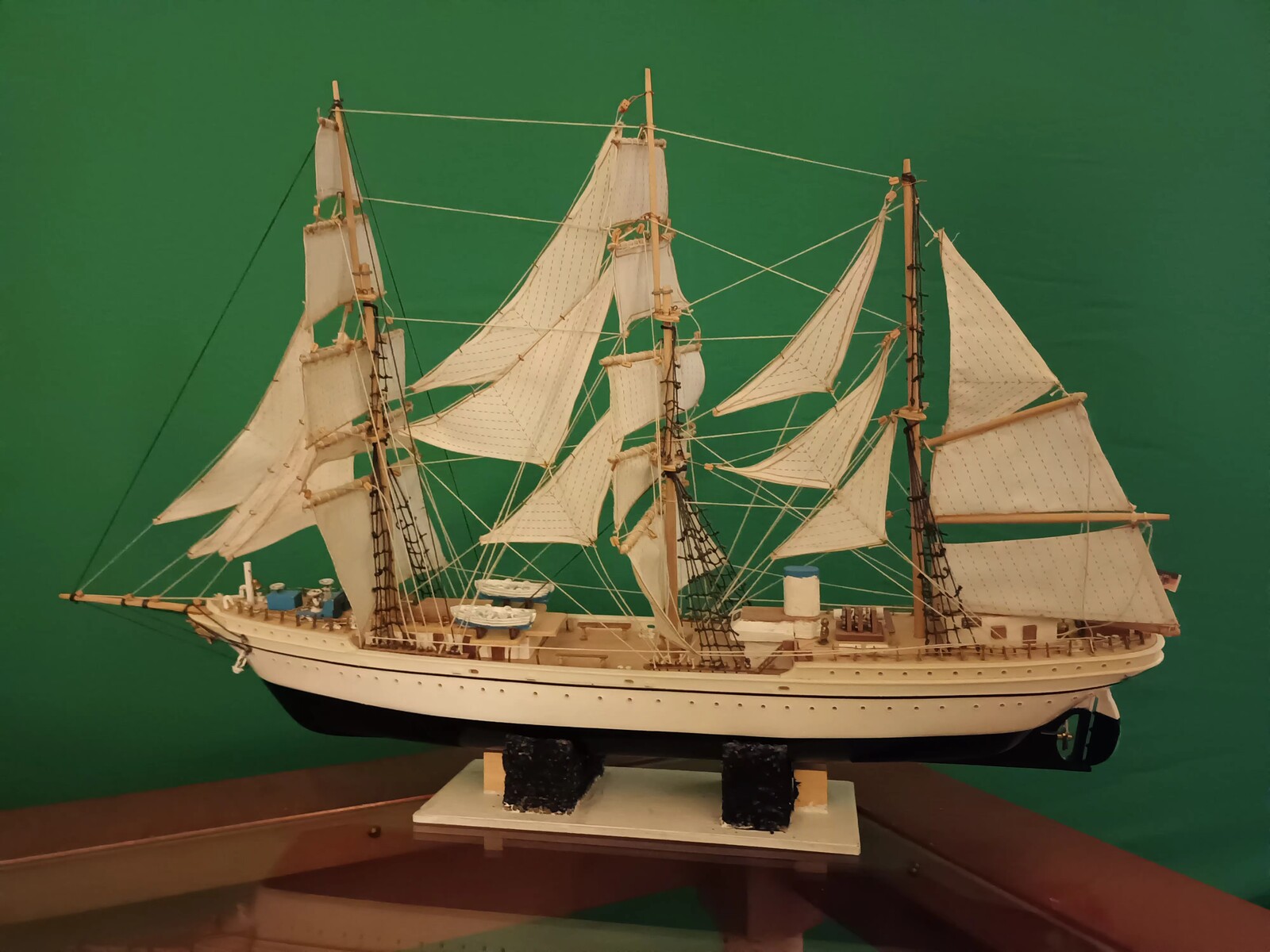
Gorch Fock training ship
Build Documentation
Build Log #001: Complete Build Journey
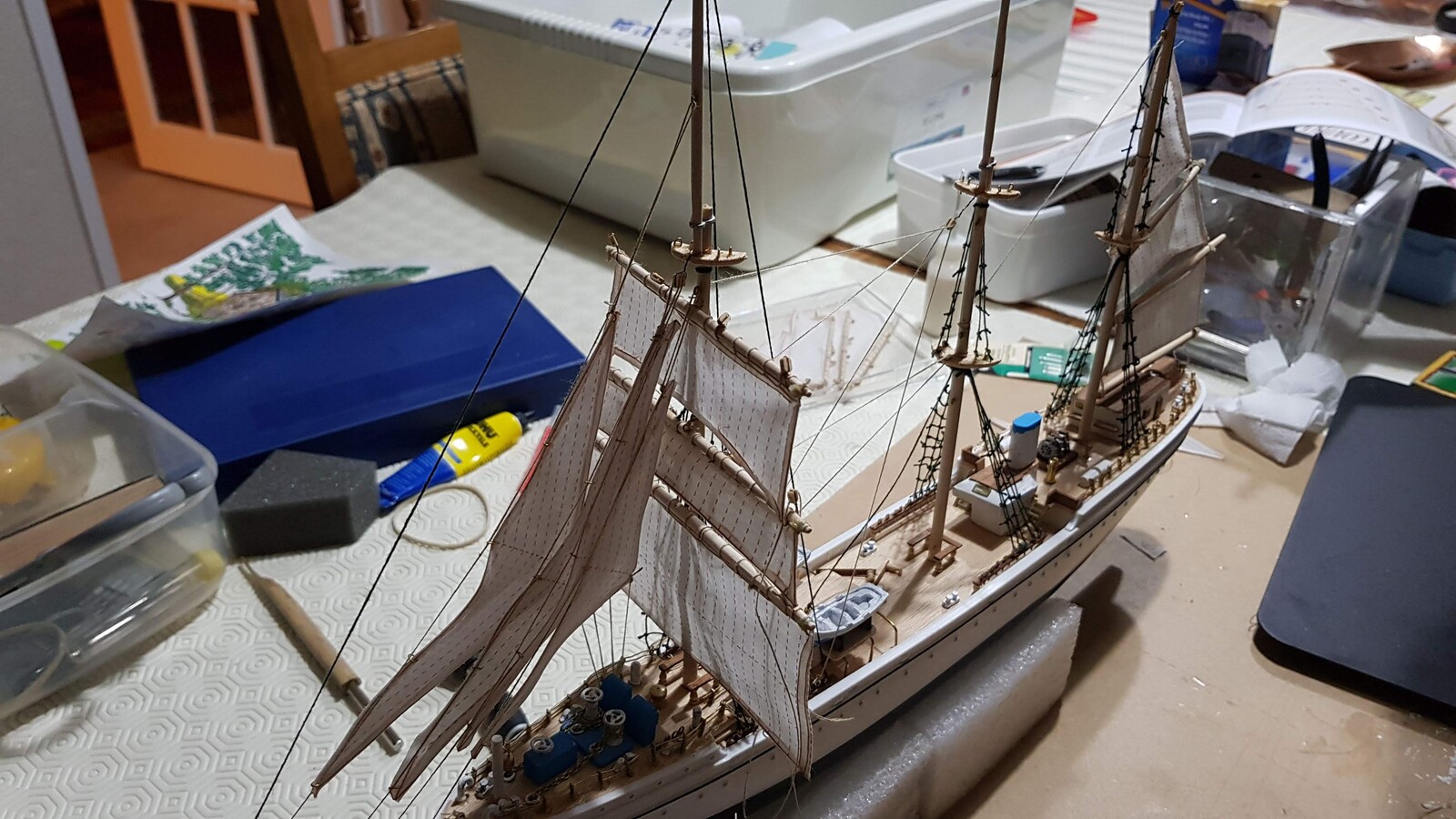
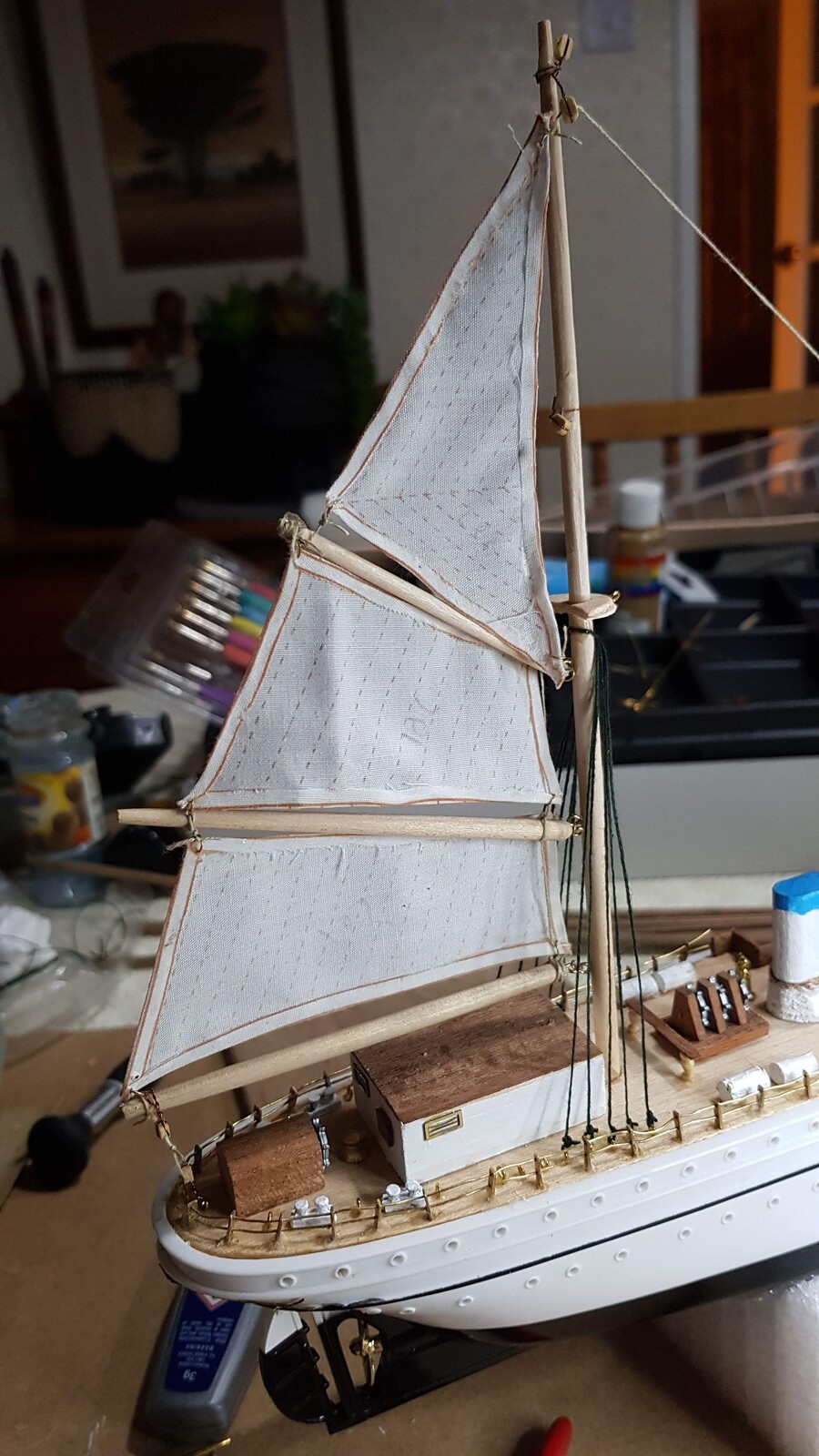
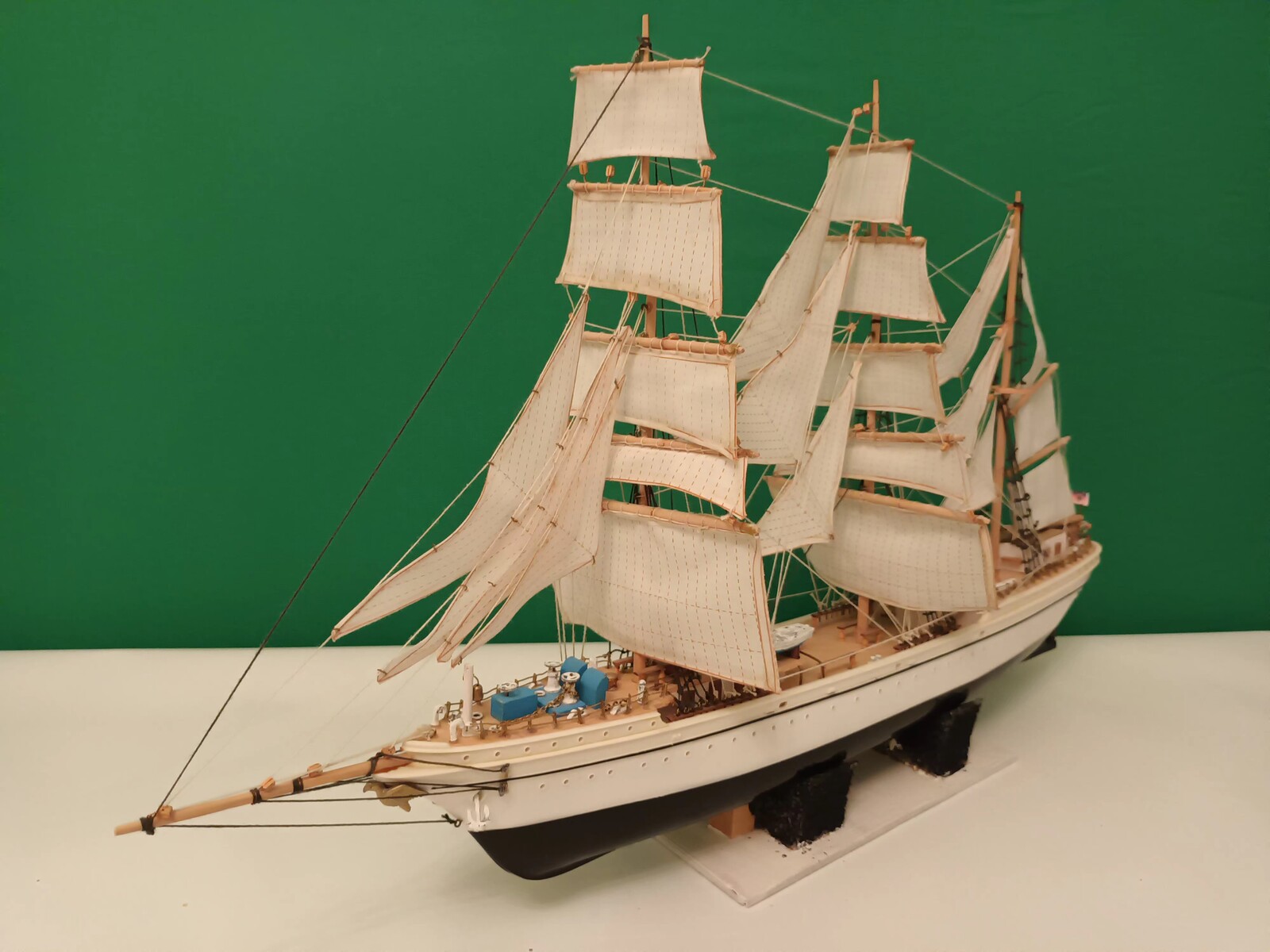
My first serious model build - learning everything from scratch with this 700-part Revell kit. See the full build process with 11 photos documenting the journey from overwhelming beginner to completed model.
—
Historical Context
During my research for this build, I learned about the fascinating history of the original vessel. The original Gorch Fock was built in 1933 in Hamburg. It is a three-masted steel-hulled barque, designed for safety with strong righting momentum to prevent capsizing. It served as a training ship until WWII. Later in life it served as a Soviet and later Ukrainian training ship, sailed globally, and participated in tall ship races. It is now a museum ship in Stralsund.
About the Kit
I also discovered that this ship has been a popular modelling subject since the early plastic kit era in the 1950s. This detailed replica of a traditional German sailing vessel captured the elegance and fine engineering of historical maritime construction, giving rise to many iterations of models. It was adopted by Heller and Revell in the 1980s to create a detailed kit with some 700 parts - quite challenging. Revell re-issued several re-boxed sets in the 2000s with 1:150 to 1:350 scales.
My Journey with This Build
When I bought the kit in 2007 I had no idea of its complexity or history. I only wanted to stimulate my grandson to build balsawood models.
When I took on the build process in 2019, in desperation because it was still lying on the shelve, I had no model building experience, limited tools and not even the right glue.
Project Overview
Kit/Manufacturer: Revell
Scale: 1:150
Status: Completed
Start Date: November 2019
Completion: May 2020
Challenge: Requires rigging and fine detail work
Project Goals
- To complete a model that was purchased years ago.
- To get through the winter months.
- To learn more about model building.
What This Build Taught Me
This first build was a comprehensive learning experience:
- Reading and following instructions - The Revell instructions were good, but I had to learn to interpret them properly
- Working with small parts - Led to acquiring magnifying glasses and fine tweezers
- Understanding adhesives - Learning which glue works for different materials and situations
- The value of patience - Learning to retry, redo, and not rush
- Proper preparation - Sanding, smoothing, and organizing before assembly made everything easier
- Advanced techniques - Creating sails, seaming, and rigging were the most intricate and demanding skills
For the full build story with photos documenting the entire journey, see Build Log #001.
Share Your Thoughts
Have you built a similar vessel? Leave a comment below!
Gallery
Have questions or feedback about this project? I'd love to hear from you.