 Modelling4Comfort
English Country Garden - Planning & Research
Project Genesis
Coming out of my experience with the Log Cabin and Cathy’s Flower House, I really wanted to practice more to make realistic miniature flowers. The first attempts in the Log Cabin were a bit of an eye opener that it would take much more practice, improved techniques and better materials. As a keen gardener, with my own beautiful garden and a huge admiration for English Country gardens, I could not select a better topic to experiment with flower making than to scratch build my own miniature garden.
This project would capture the beauty and horticultural richness of a traditional English cottage garden. The centerpiece would be a historic Victorian cottage with a thatched roof (approximately 11cm high), surrounded by a 15m × 15m garden at 1:50 scale. The thatched roof was specifically included to practice and experiment with something different than the slate/tiled roof of the Log Cabin.
The main focus of this build was learning techniques for creating realistic miniature flowers and plants. The garden would feature over 100 different flowering plants and shrubs and a good selection of trees, each crafted to capture the characteristics of English cottage garden favorites.
Scale Selection and Layout Planning
Determining the Scale
Selecting the scale, as in the case of the Log Cabin, was determined by the space available to display. This was long before this site came into being. The overall scale had to be around 25cm square. With that in mind, I tried to imagine the size of the house and garden and put the following prototype together.
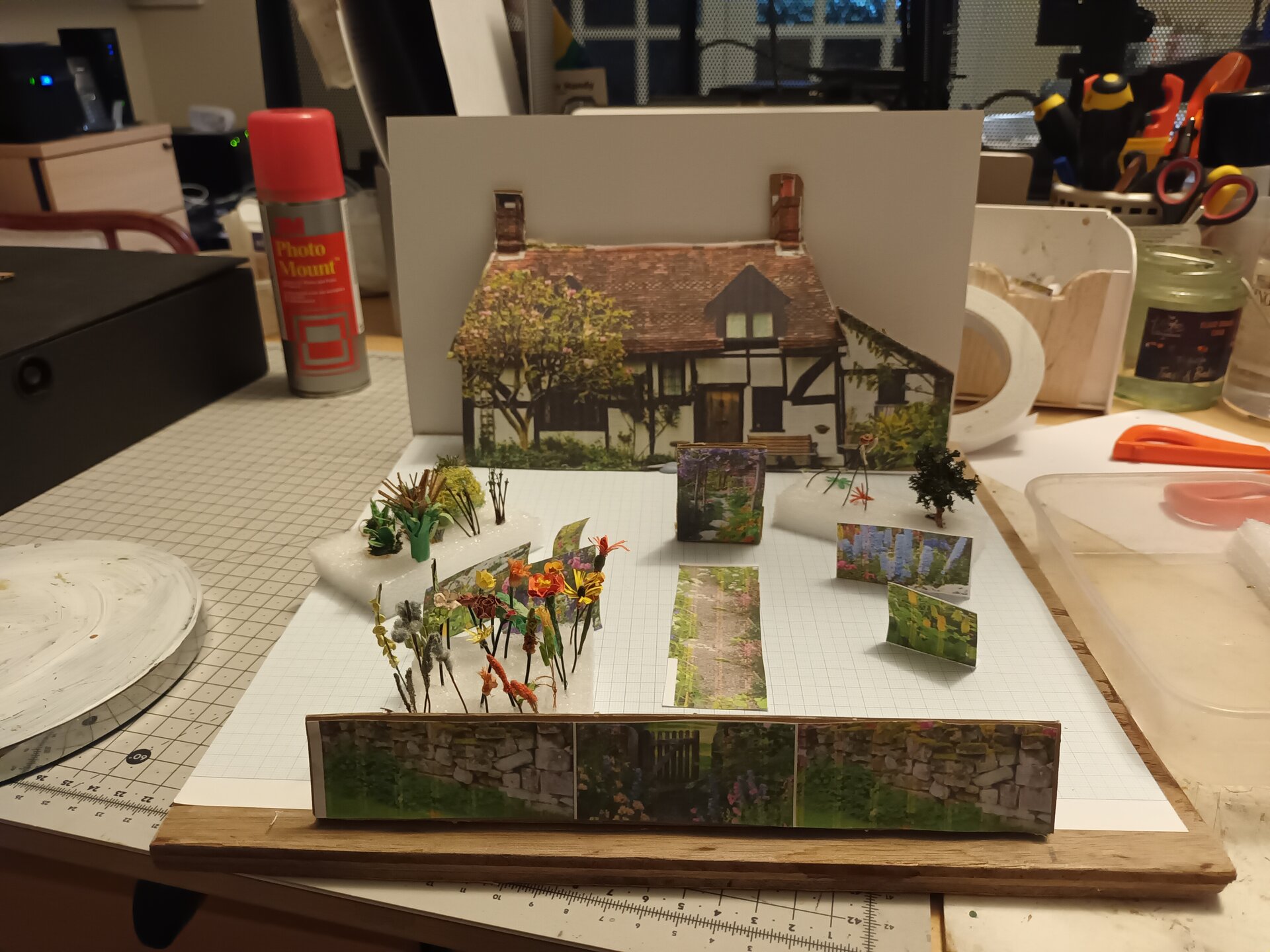
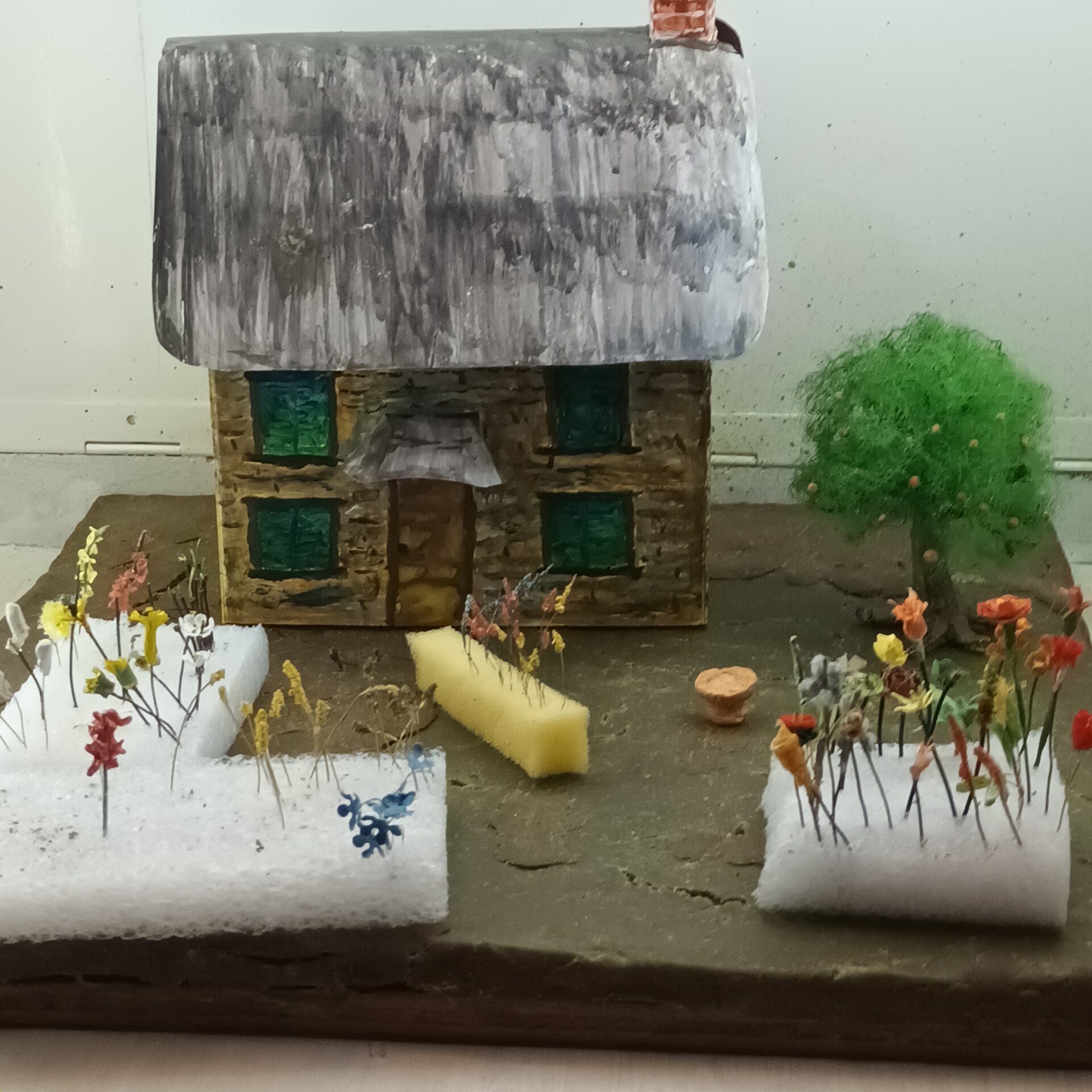
A footprint prototype of the house provided a better assessment of the space on the base. This early visualization showed that a cottage at the back with a garden path to the front would work well within the 30cm square base.
Gathering Reference Materials
Extensive research and collection of reference material kick started the project. Hundreds of pictures of both formal and cottage gardens, individual plant and flower displays, as well as a wide range of thatched roof cottages, especially those with country-style gardens, were reviewed.
Cottage Research and Inspiration
A few cottages stood out, providing the right layout and look and feel for the targeted base.

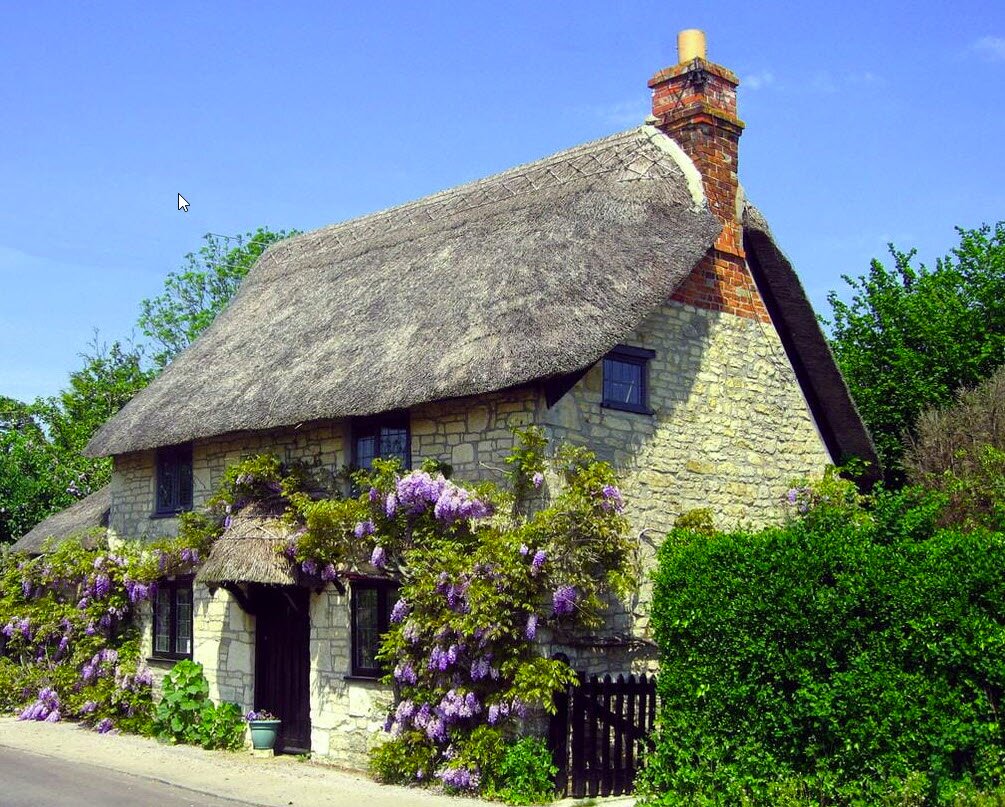

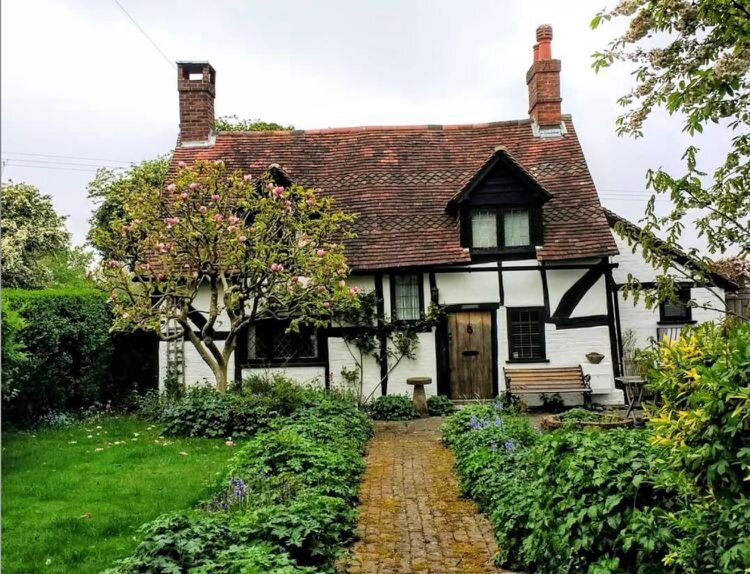
These reference images helped establish key design elements:
- Thatched roof with distinctive ridge and texture
- Brick chimney emerging from roof
- Small-paned cottage windows
- Front path leading to door
- Integration of house with surrounding garden
- Aged, weathered appearance
[NOTE: Which specific design elements did you ultimately incorporate from each reference? Any elements you decided against and why?]
Flower and Plant Research
A large part of the driving force behind the model was making the flowers. I prepared a long list from my own garden book of all the flowers that potentially could be modeled. I then started to document more detail about each flower, focusing on characteristics such as the flower spike or arrangement, flower base, leaf type and form, flower shape, and color varieties. Some of the plants included in this analysis included foxgloves, delphiniums, roses, hollyhocks, lavender, ferns, hostas, daisies, carex (grasses), poppies, cosmos, clematis, lilies and many more.
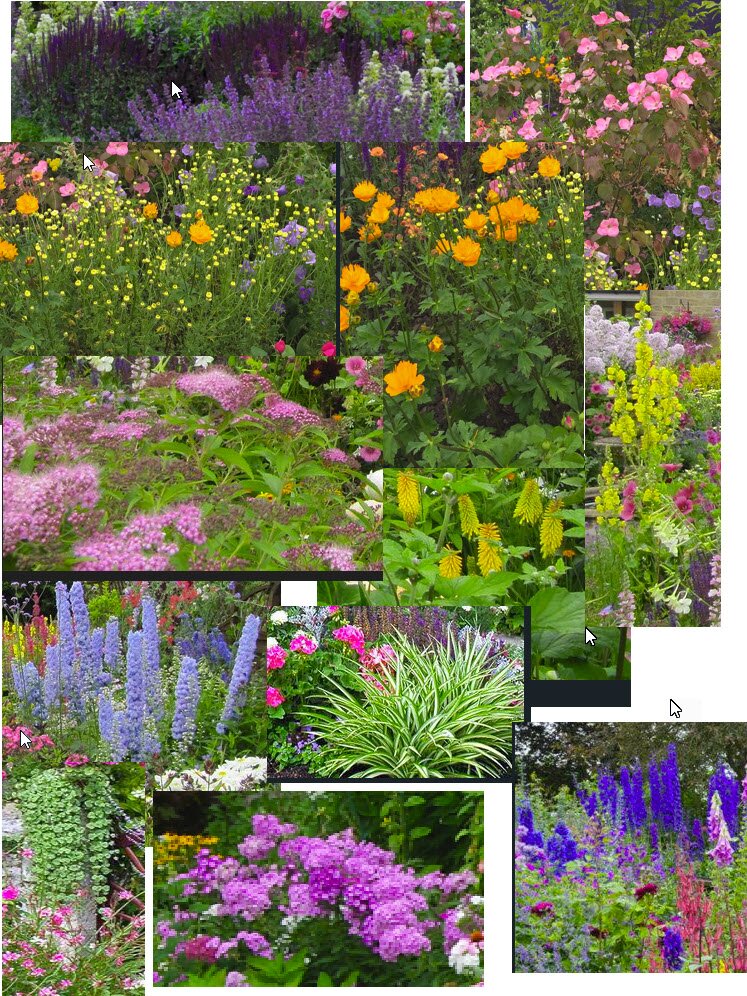
Garden Inspiration
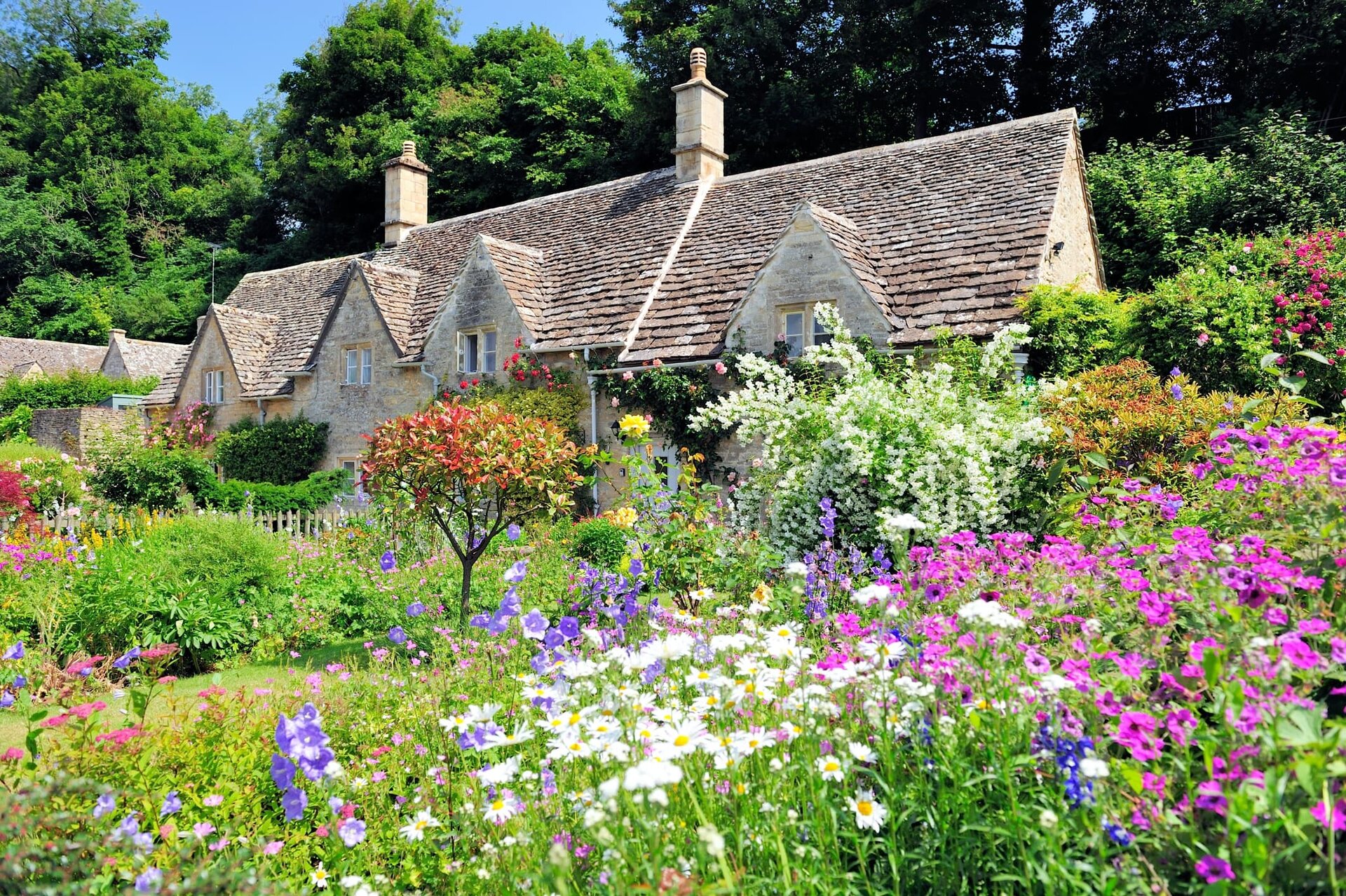
The gardens from the research were so overwhelmingly beautiful, I almost got distracted and lost in the collection of examples of all the flowers and plants. These gardens were such an inspiration:
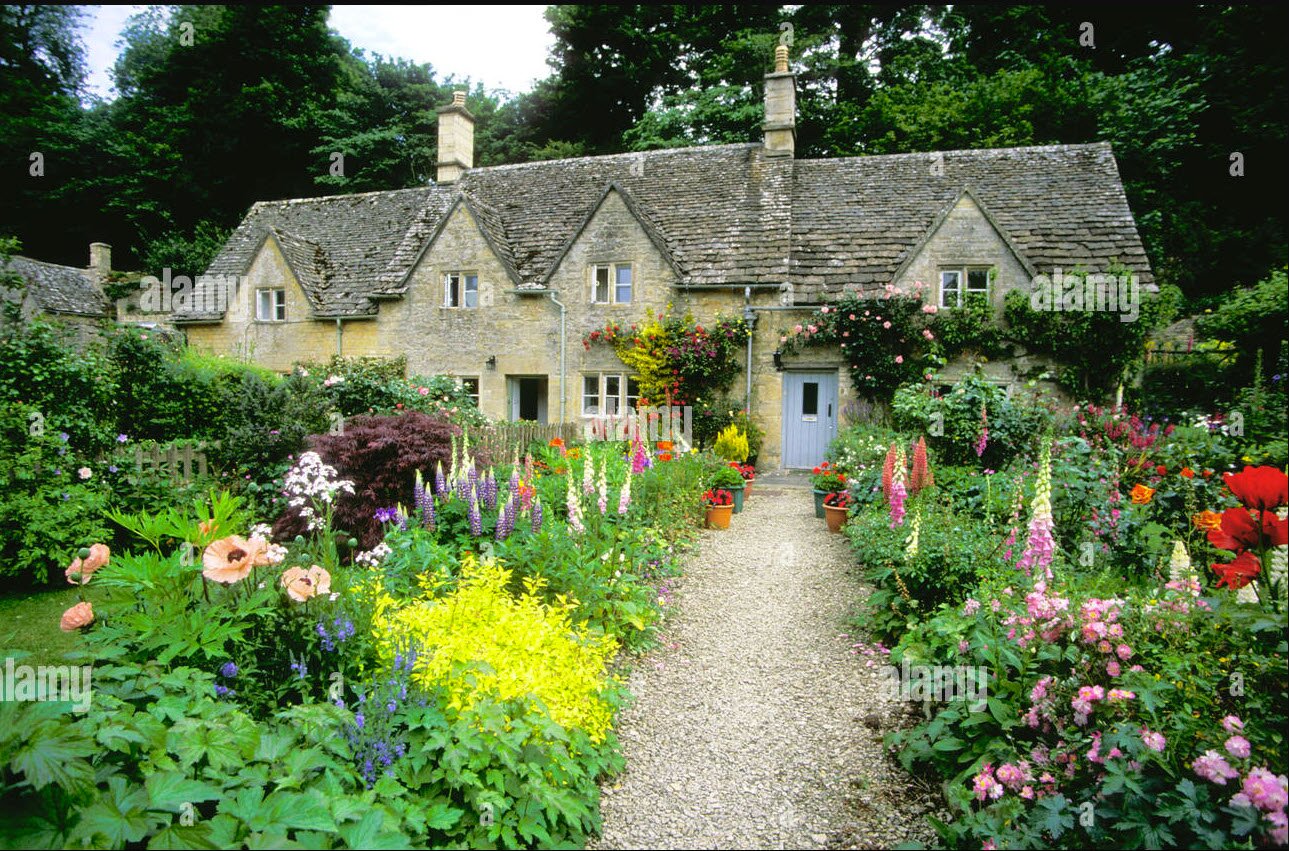
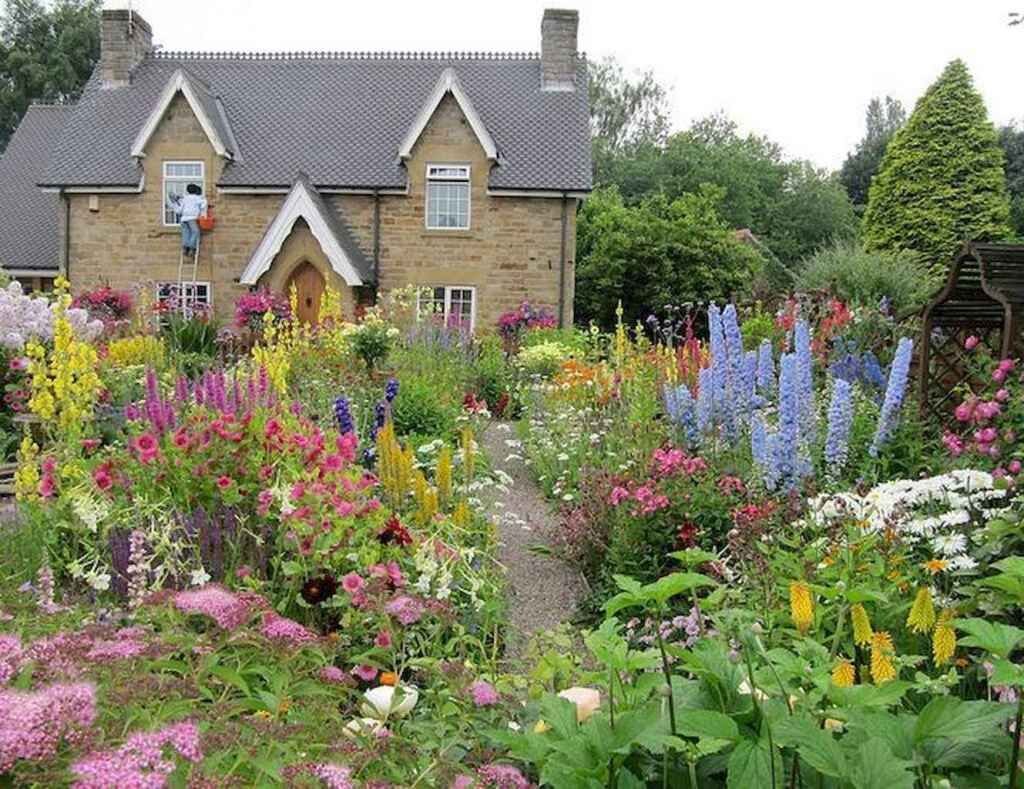
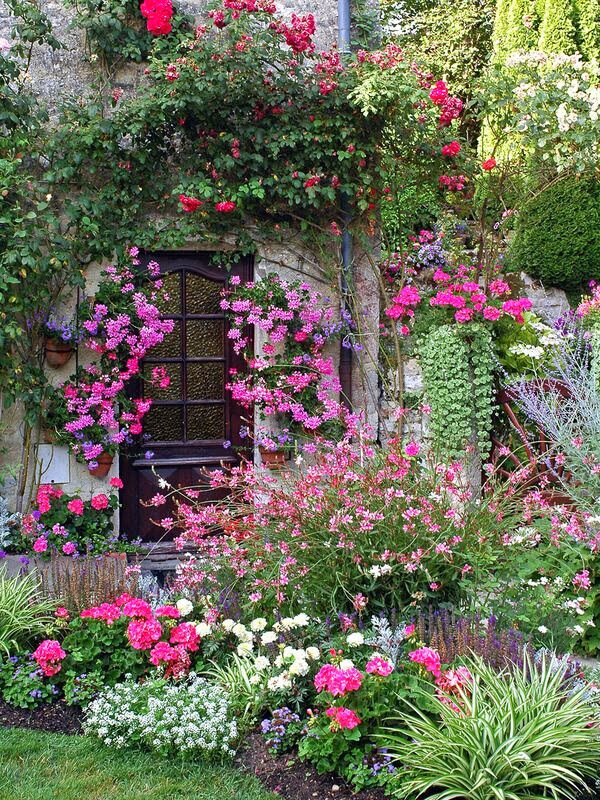
Learning Miniature Flower Techniques
My attention had to move on to learn more about how to create these magnificent specimens, especially after my first attempt during the Log Cabin project demonstrated that it is not that easy.
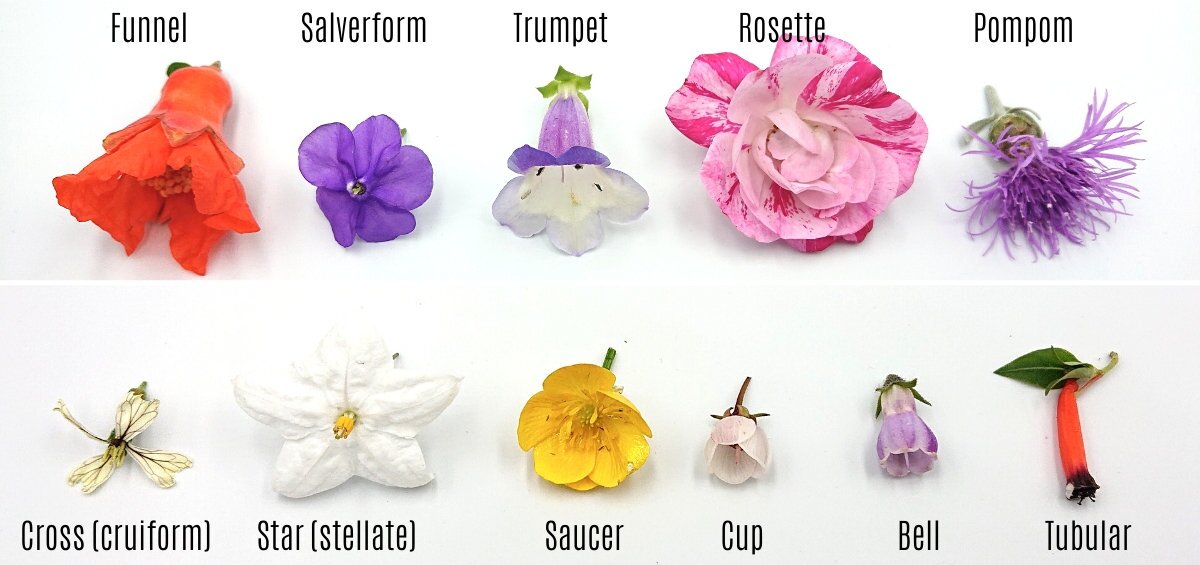
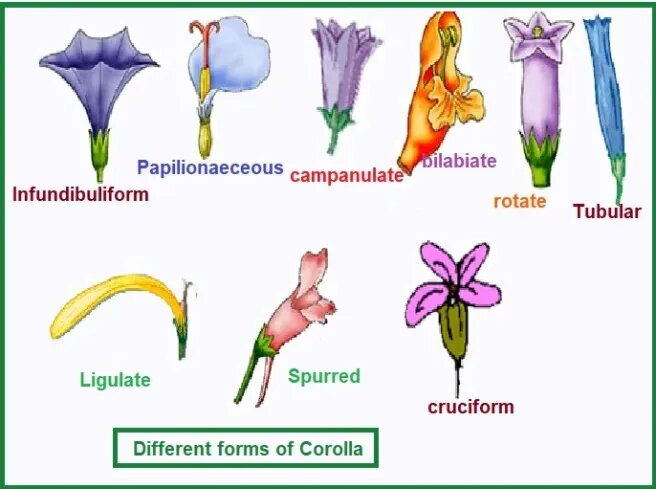
Trawling through the internet, botanical books and magazines, and through my own garden book at gardens4comfort.uk, I collated many paper cut stencils, paint and drawing stencils, and catalogs of flower shapes and types.
Key Research Resources

Understanding Flower Shapes and Forms
Research revealed that flowers could be categorized by shape, which would inform the construction technique:
- Strap shaped: Daisy
- Bell or funnel shaped: Bluebell, arum lily
- Cluster: Lavender
- Spike: Foxgloves, hollyhocks
- Flat top: Ammi majus
- Distinct petals: Rose, dahlia, geum, phlox, lily
- Star: Clematis, marigold
- Saucer: Buttercup, cosmos
- Pompom: Poppy, thistle
- Trailing: Rose, clematis, wisteria

This categorization became essential for planning which technique to use for each plant variety.
Initial Experimentation
This inspiration got me straight into experimentation with making flowers. Research continued to be woven into the practical construction and building. Step 1 was to get a sense for the size and scale of objects, then to imagine the broad layout to determine what type of structures would be required.
Work started on making the flowers. If I could not manage to get the flowers done, there was no use continuing with the other main parts such as the cabin. From previous experience, fitting items to the base follows making most of the parts, rather than fitting each part as it is being made.
[NOTE: What were your first successful flower experiments? Which flower type proved most challenging initially? Did early experiments influence your final plant selections?]
Planning Key Elements
Cottage Design Decisions
Based on the research, several key cottage features were prioritized:
- Authentic thatched roof (challenging but essential)
- Brick chimney with period detailing
- Small multi-pane cottage windows
- Weathered, aged appearance
- Integration with garden setting
- Appropriate scale for base size
Garden Layout Concepts
Early visualization established:
- Cottage positioned at back of base
- Central path from gate/front to cottage door
- Varied elevations to showcase plants
- Multiple planting zones or “rooms”
- Space for trees framing the scene
- Garden structures (arch, gate, wall)
Material Planning
Initial material assessment focused on repurposing and using available resources:
- Wire from various sources (copper wire, capacitors, coils)
- Paper in various weights for different flower parts
- Natural materials from the garden
- Household items that could be adapted
- Minimal purchased materials (mainly glue and paint)
Research Resources Compiled
Botanical and Garden References:
- Personal garden book from gardens4comfort.uk
- Botanical guides and magazines
- Hundreds of cottage garden photographs
- Plant identification resources
Technique References:
- YouTube tutorials on miniature flower-making
- Paper craft stencil collections
- Flower shape catalogs
- Thatched cottage construction videos
Planning Tools:
- Paper cut stencils for various flower shapes
- Paint and drawing stencils
- Scale measurement references
- Prototype materials for testing
Timeline Approach
Given that this was a spare-time project worked alongside full-time employment, the approach was flexible:
- Research and planning in April 2024
- Concurrent work on multiple components throughout
- No rigid sequential phases
- Iterative refinement based on results
- Patience: don’t rush, review regularly, redo if needed
This planning phase established that the project was feasible, identified the key challenges (particularly flower-making and thatching), and gathered the resources needed to begin construction.
Next Build Log: #002 - Flowers & Plant Creation - The heart of the project: materials preparation and crafting over 100 individual plants
Project Status: Planning complete, ready to begin flower experimentation and material preparation
The foundation was laid for what would become a 7.5-month journey into miniature horticulture and scratch building.
Have questions or feedback about this project? I'd love to hear from you.