 Modelling4Comfort
SS Great Britain - Planning & Research
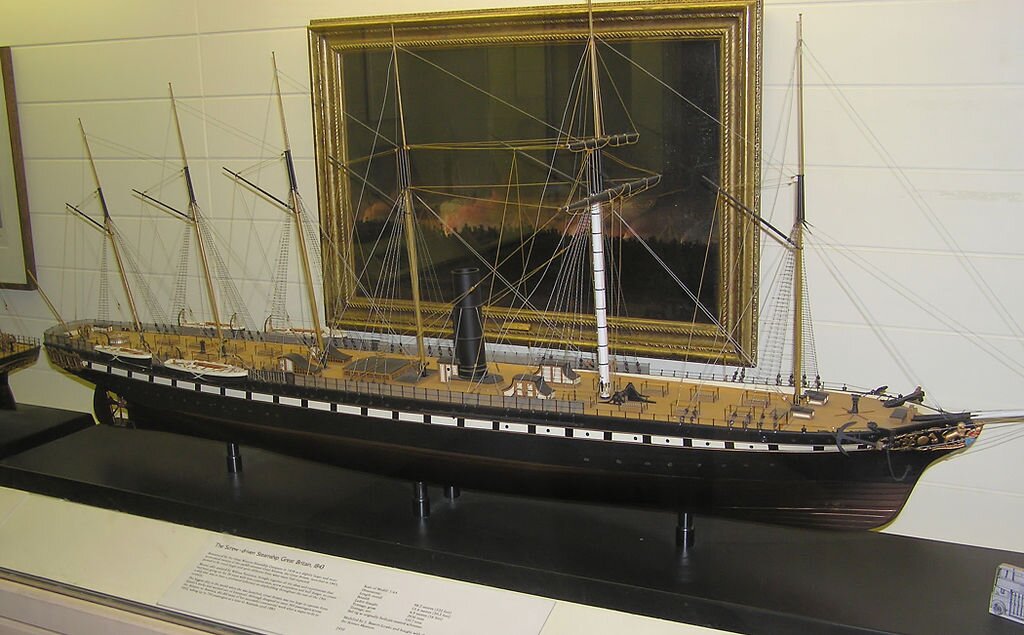
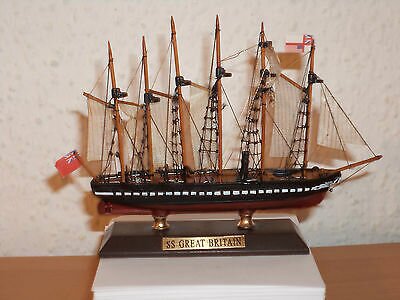
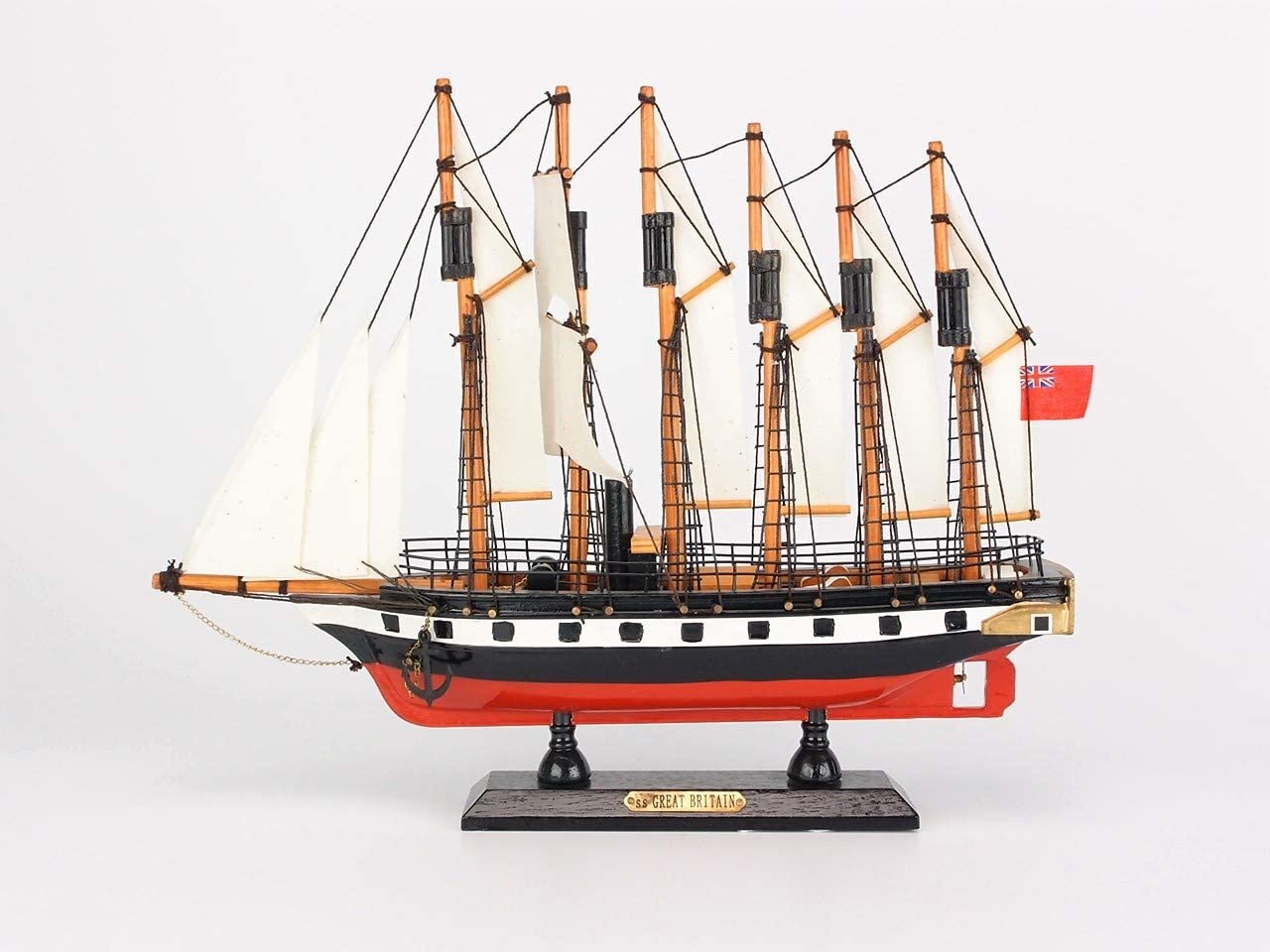
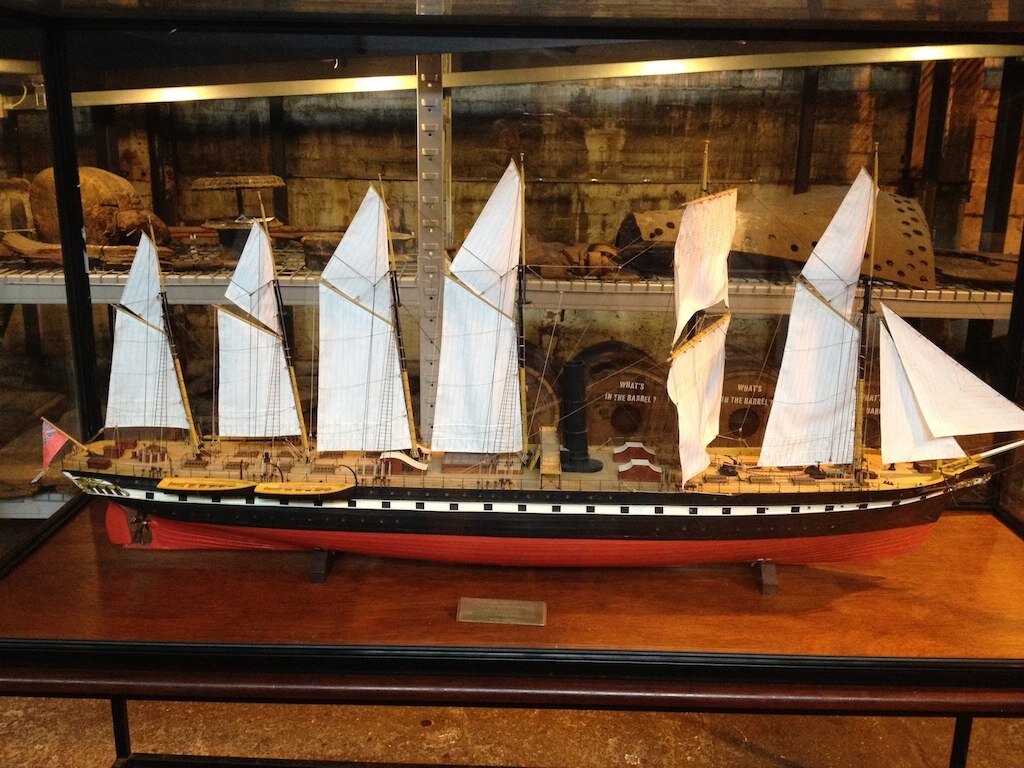
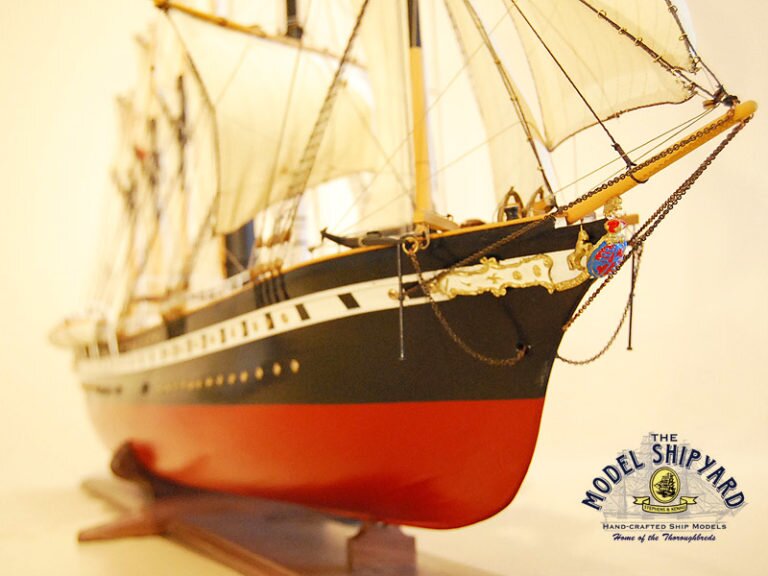
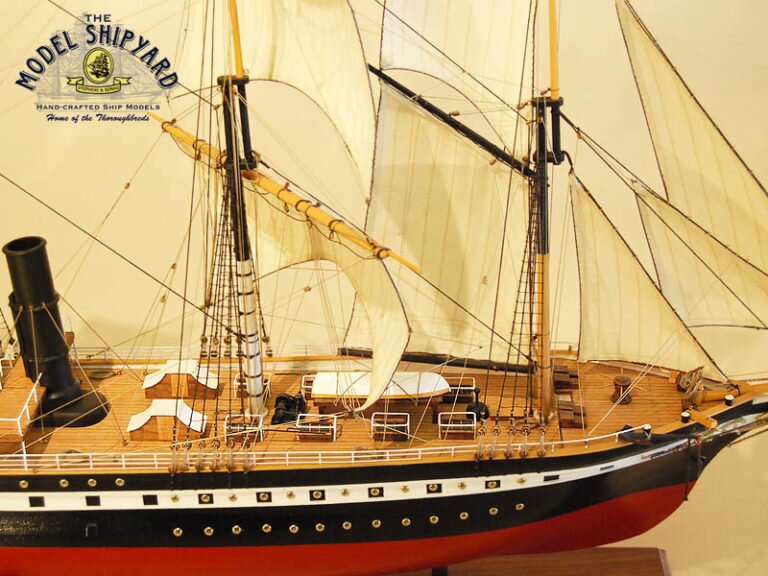
Research and planning the build:
in this phase I focussed on sourcing a suitable kit, and after failed attempts started to collate reference materials about the ship and about building a model without detail cutting plans. The reference materials included online resources such as historical drawings, photographs, museum documentation and general knowledge of ships in the era. I also sources a book about the SS Great Britain, and on how to build model ships. The book Model Ships from Scratch by Scott Robinson was very helpful.
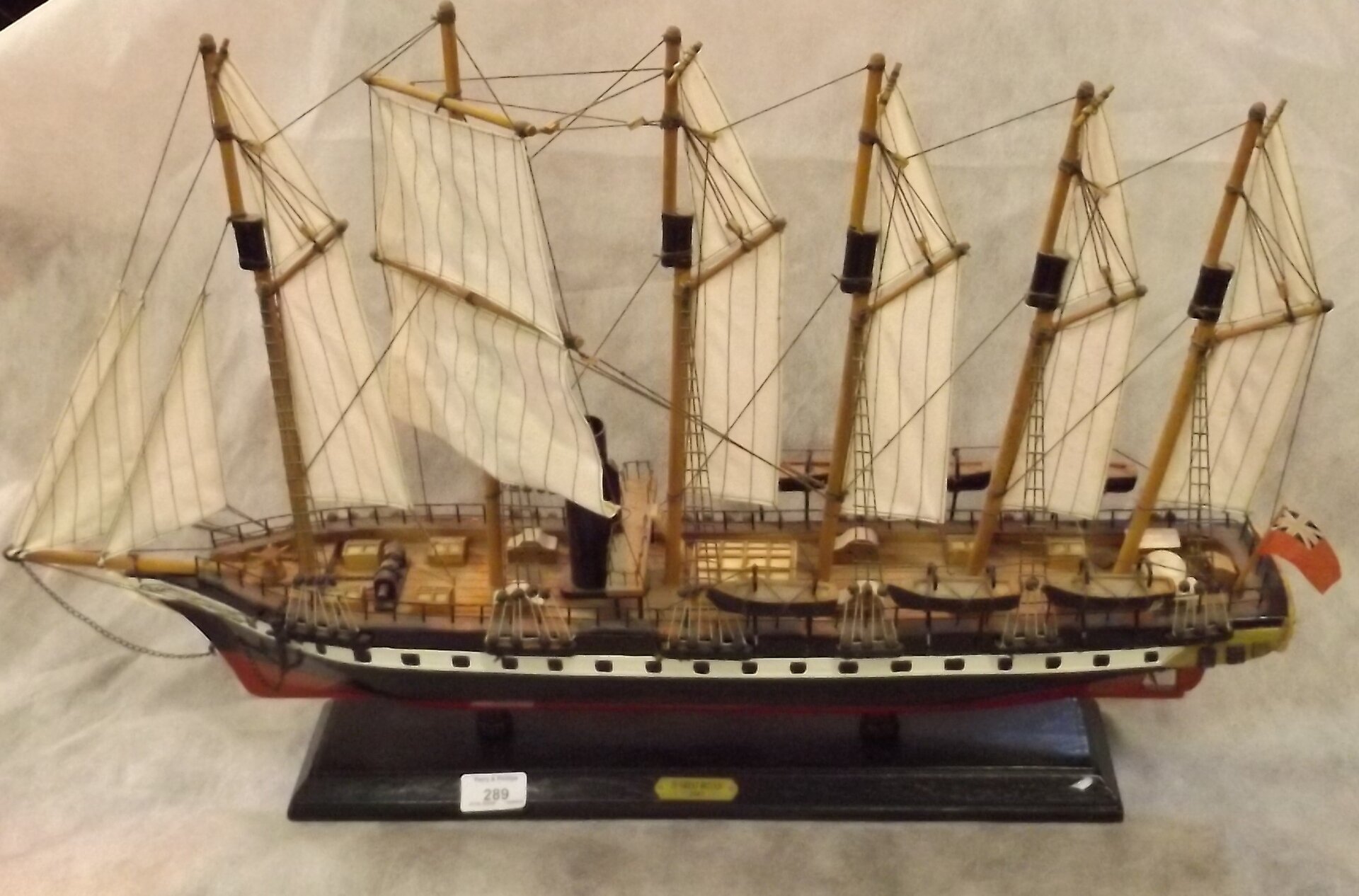
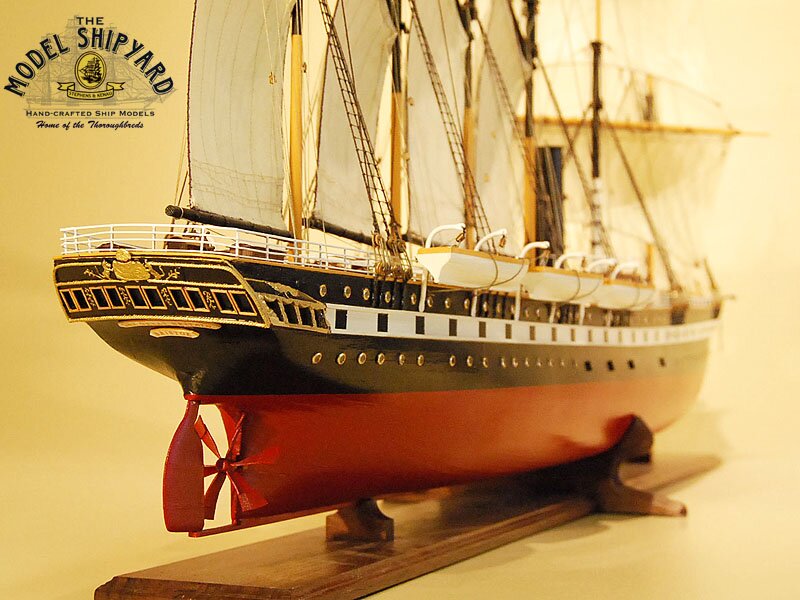
Discovering the resources, materials, methods and how to go about it was an ongoing process throughout the build. The following pictures celebarate those that had the biggest impact.
Historical Background
The SS Great Britain was revolutionary for her time (1843):
- First ocean-going iron-hulled ship
- First to use screw propeller for Atlantic crossing
- Designed by Isambard Kingdom Brunel
- Now preserved as museum ship in Bristol
drawings and plans
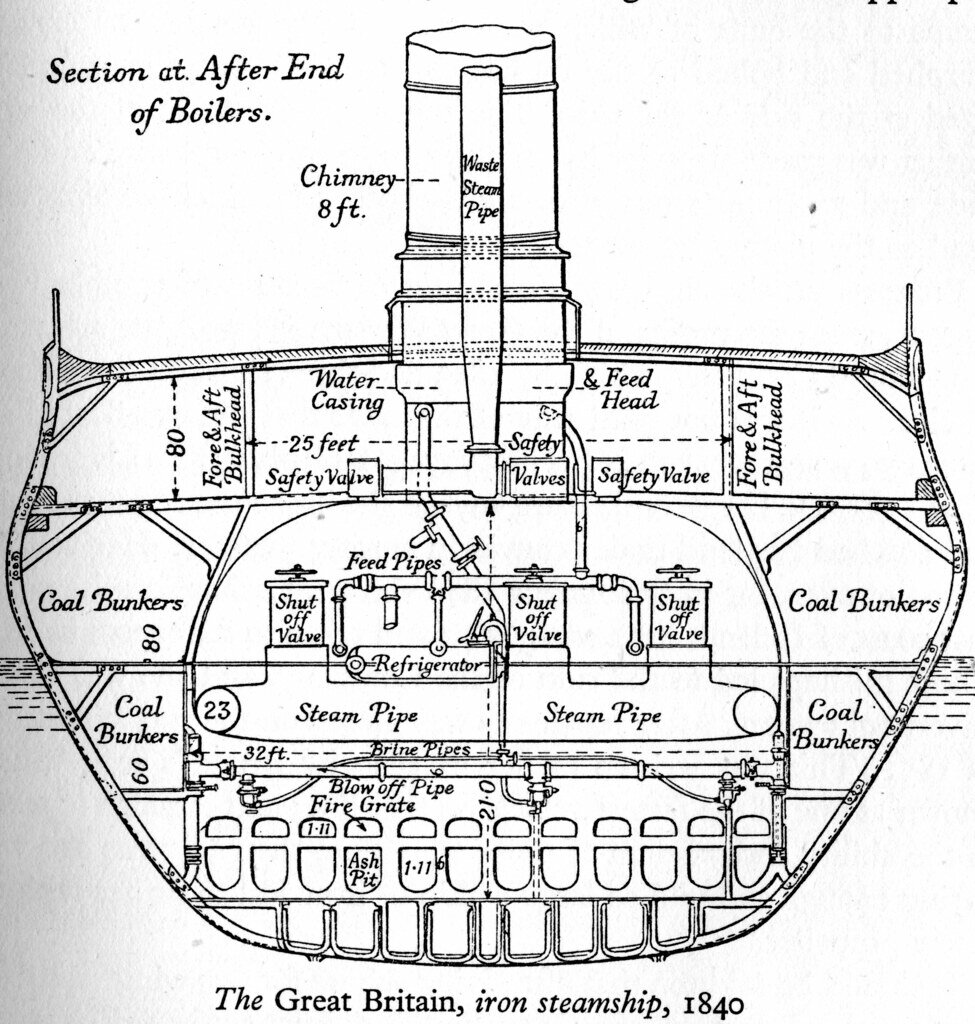
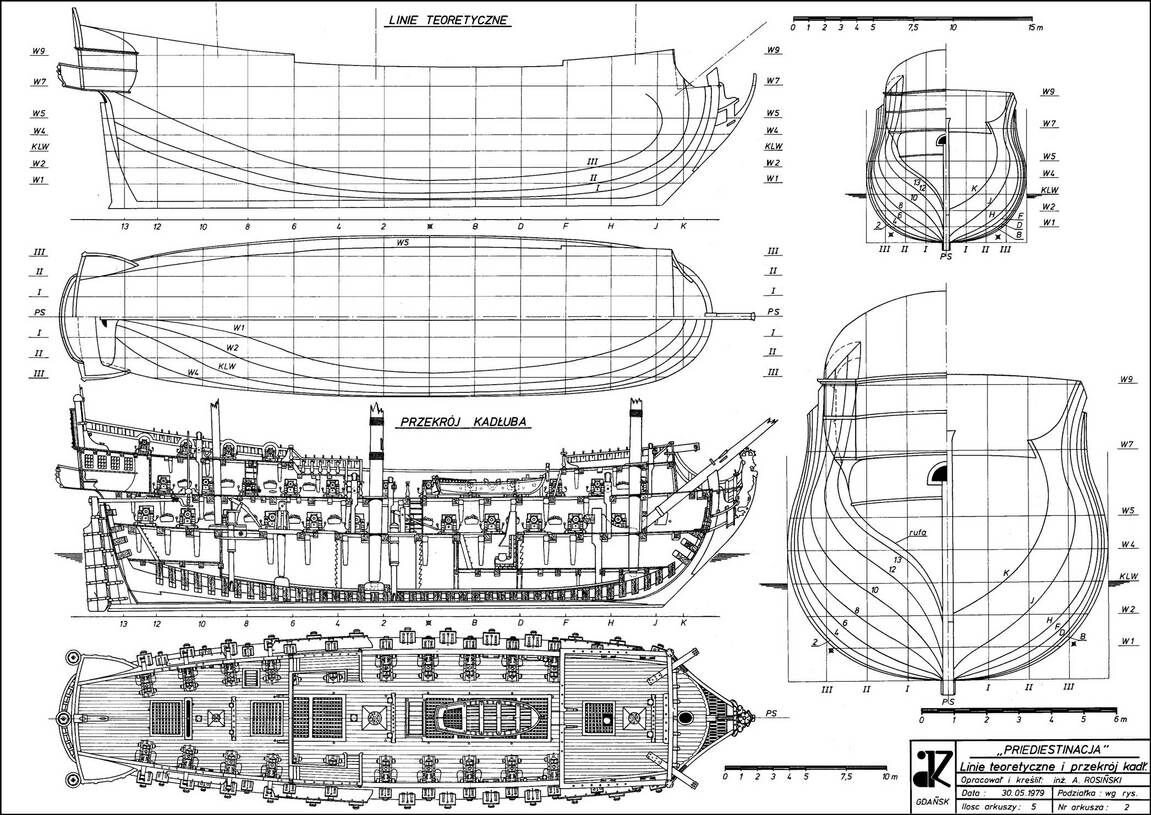
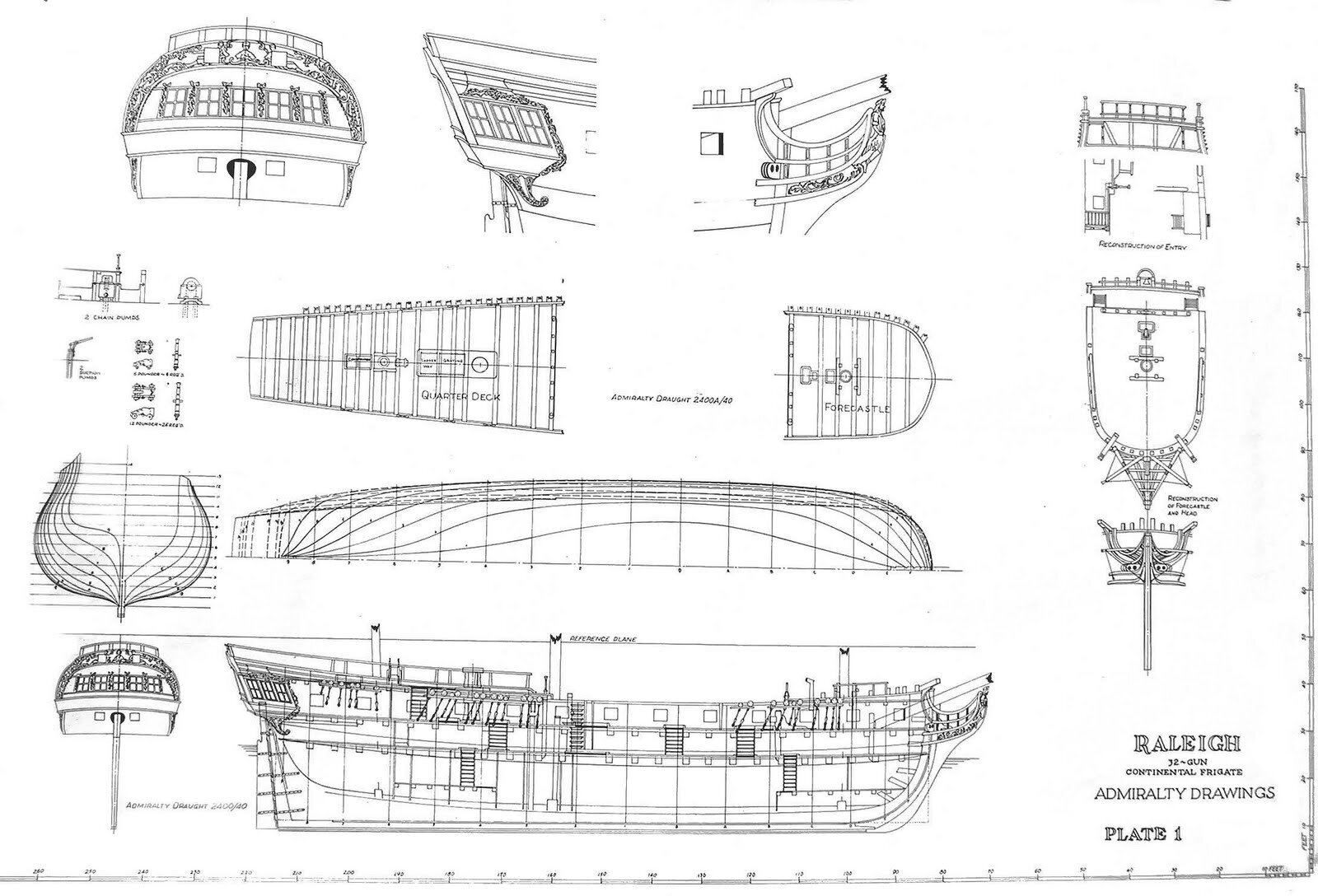
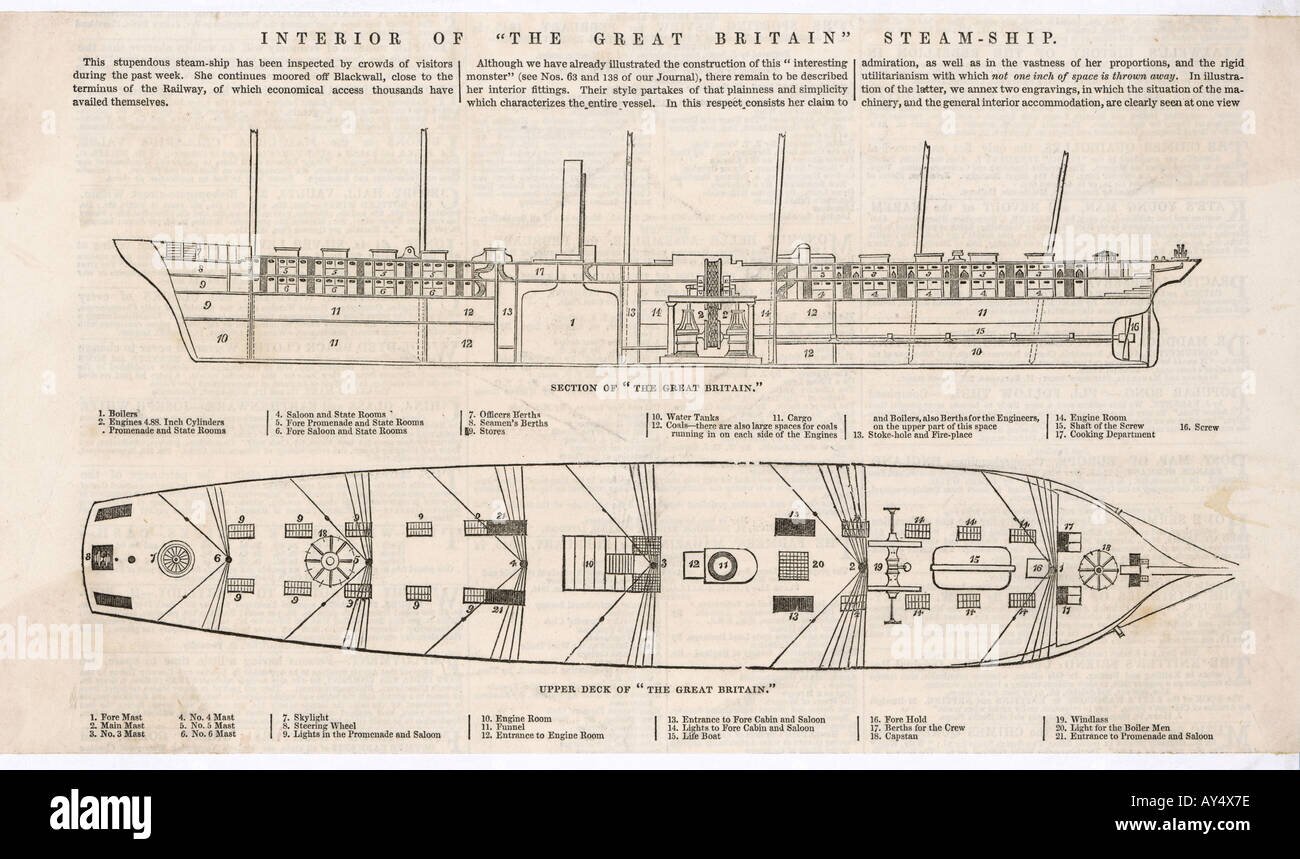
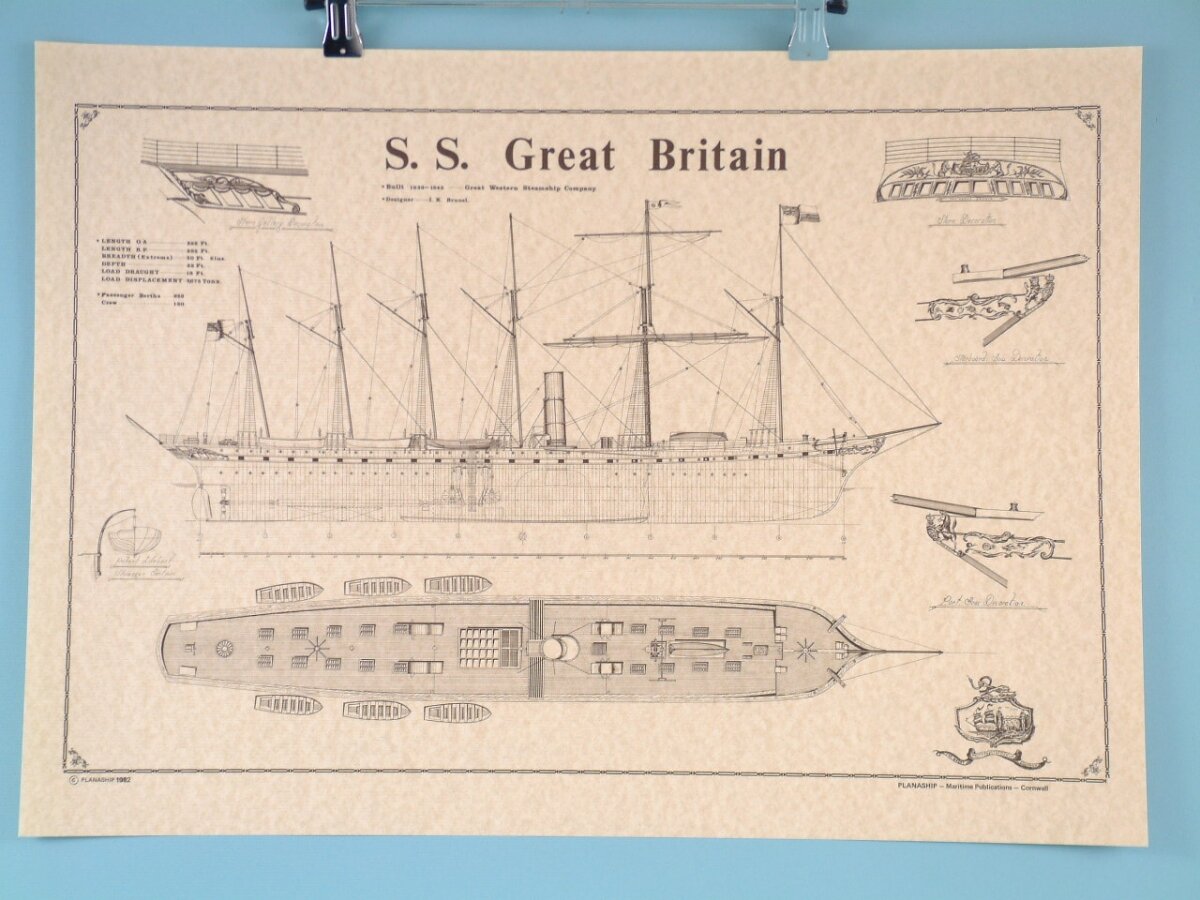
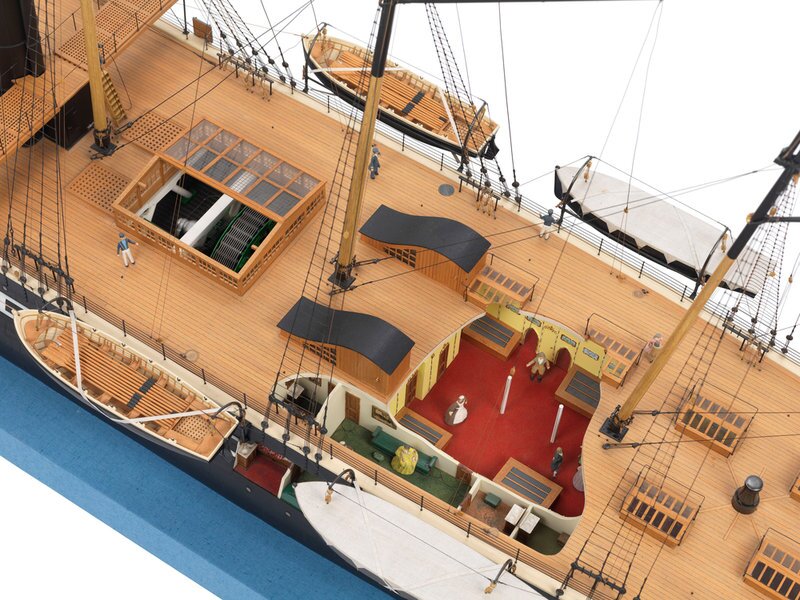
The diagrams and historical drawings was particularly handy to assess the layout of the deck and proportial measurements of the positioning of the chimney and masts, rigging and hull shape. The different diagrams emphasized the fact that the ship changed layout, number of masts, and usage over time.
pictures of the ship itself
A few pictures could be traced of the ship in its haydays and demise.
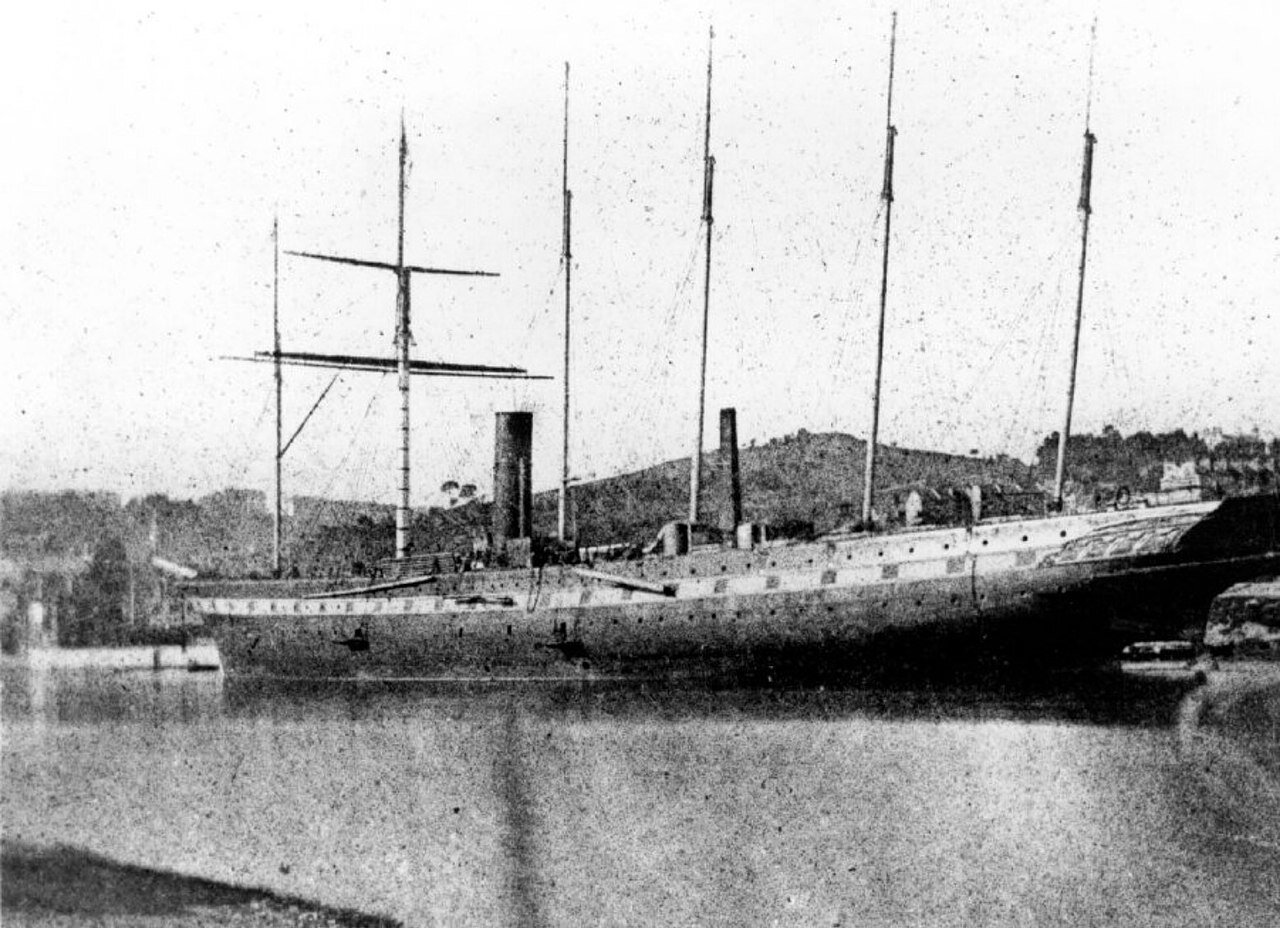

The salvaging process is documented in the book SS Great Britain - transatlantic liner 1843 by Wyn Davies & Herb Schitz. This book was a great help to get a better understanding of the history and had several pictures that was very helpful in the build.
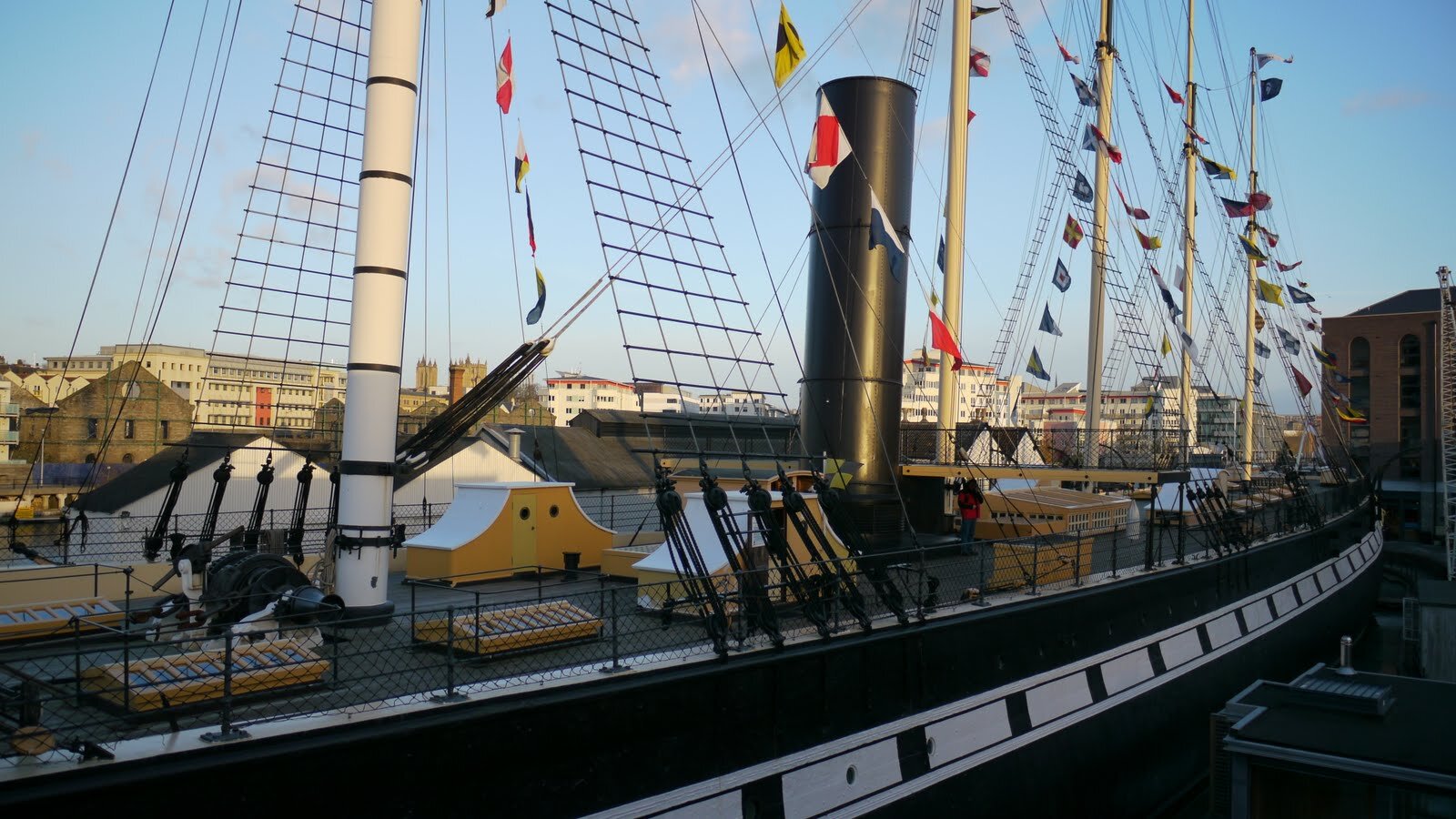
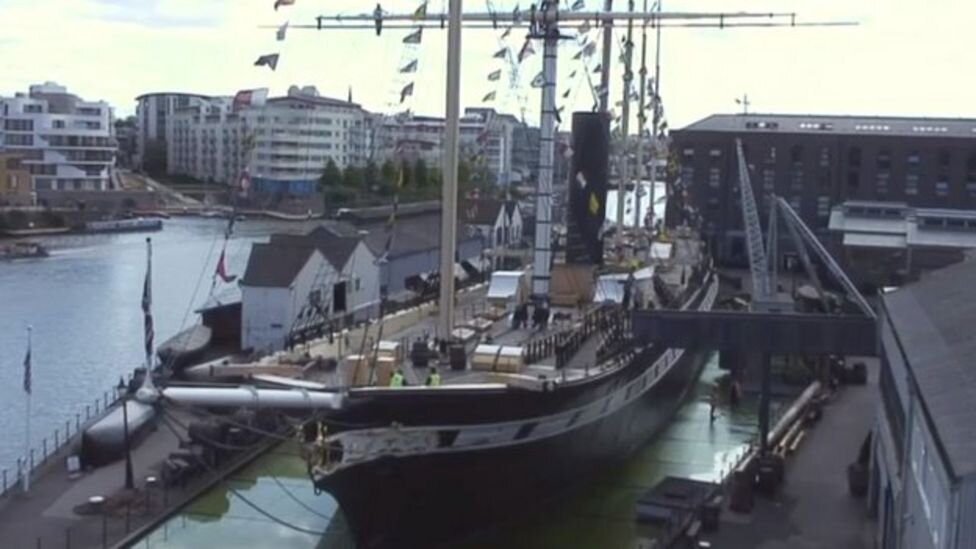
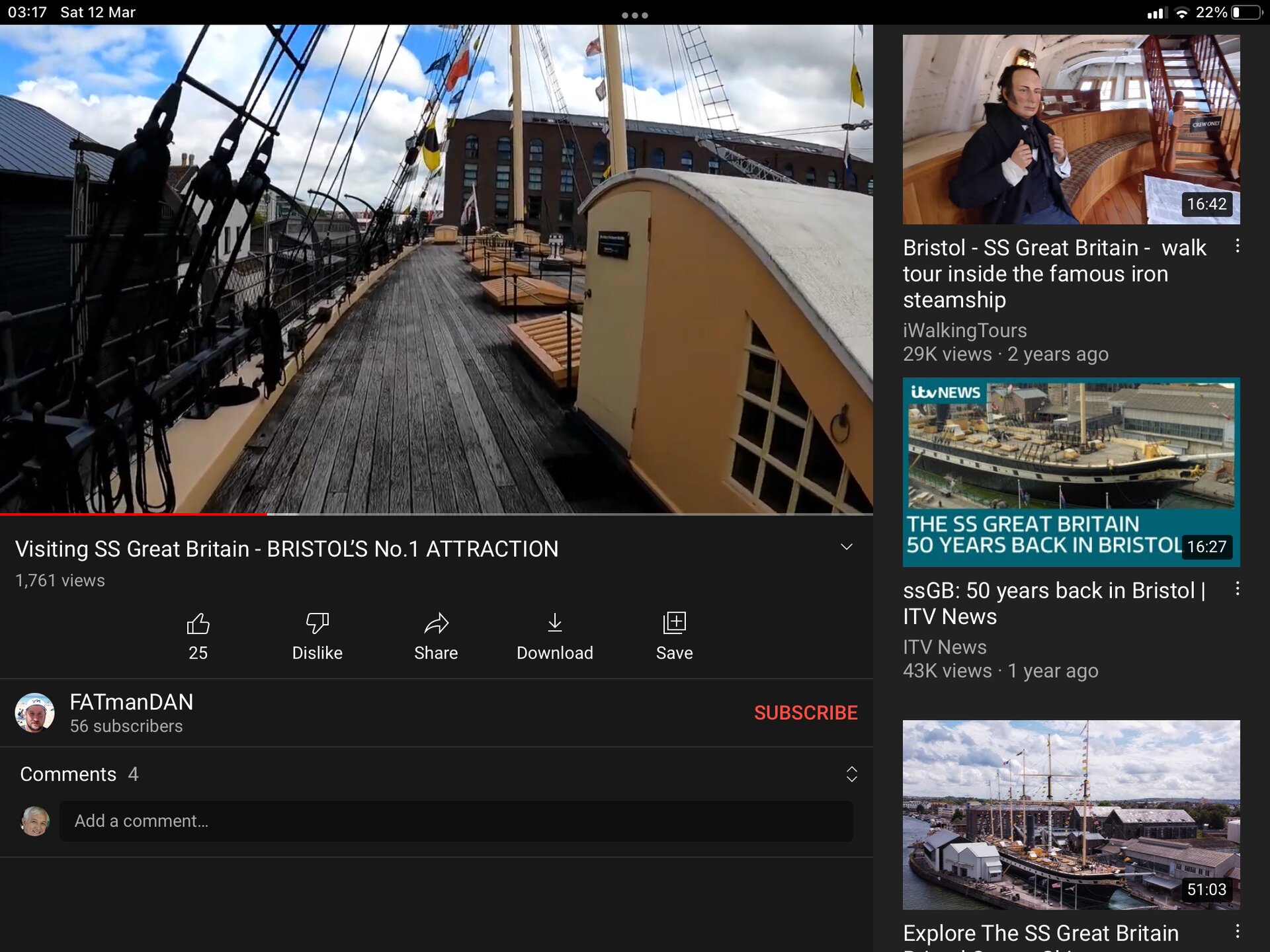
restored ship in shipyard
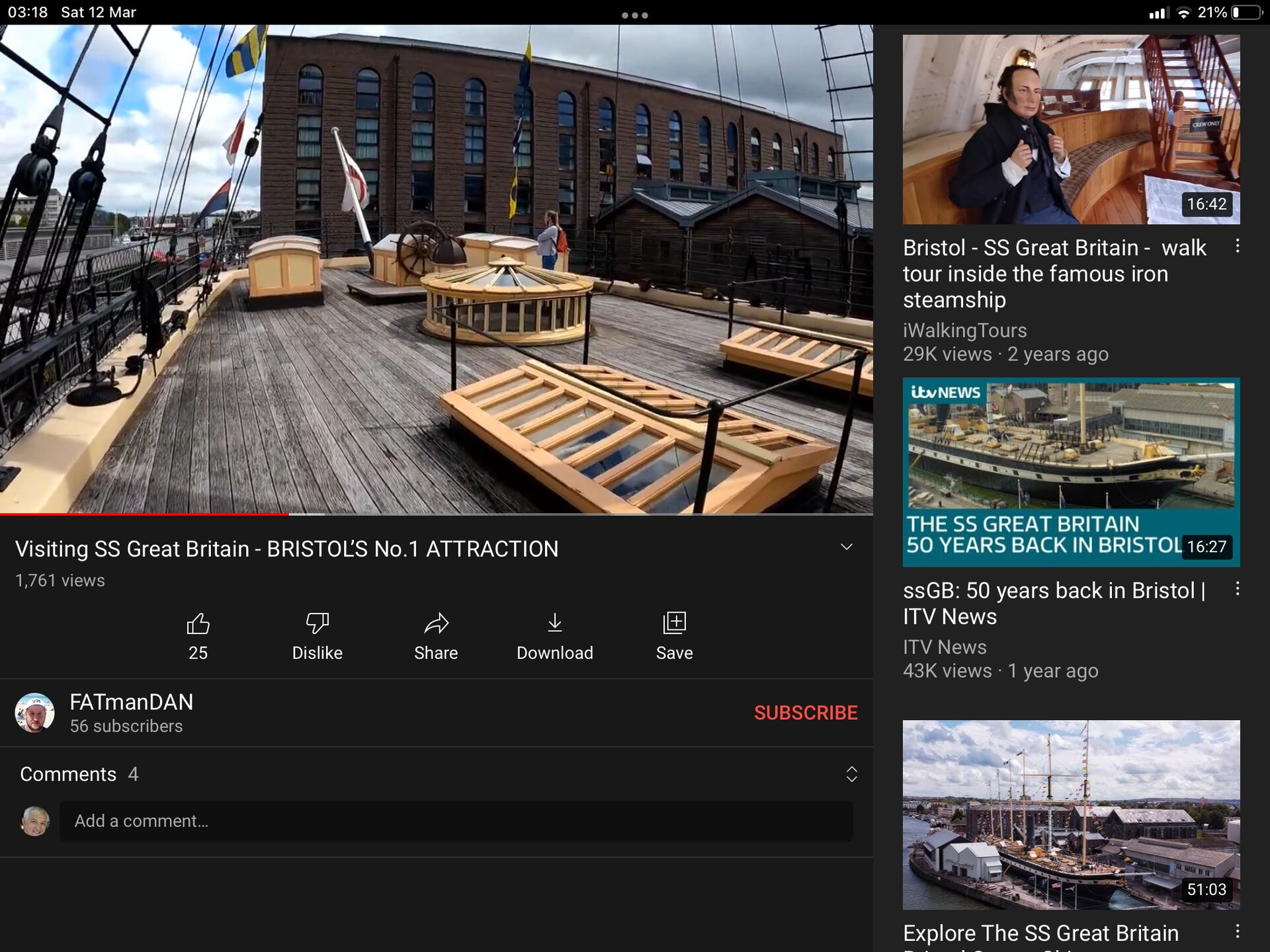
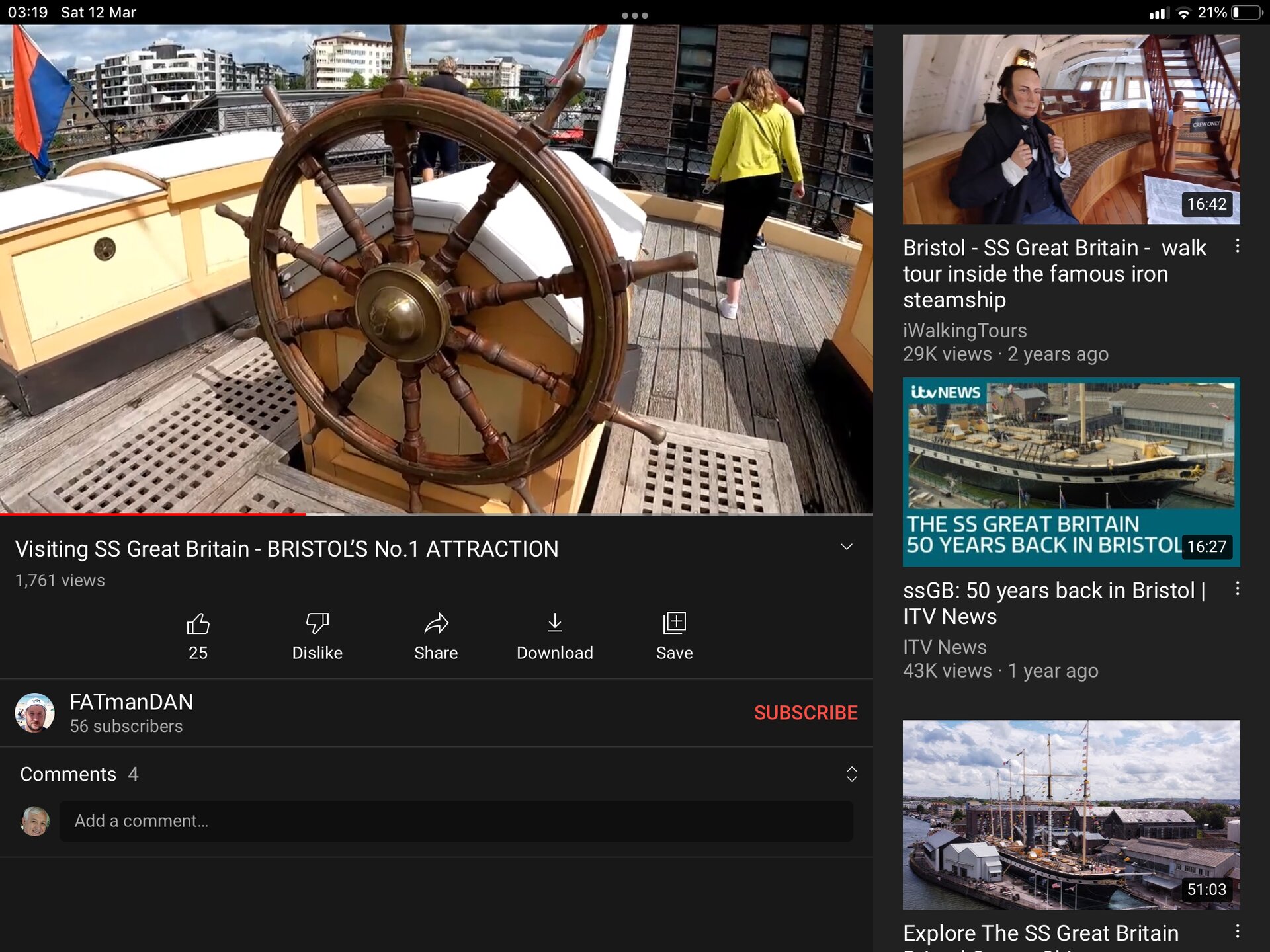
The pictures I took during our visit to the museum was particularly handy.
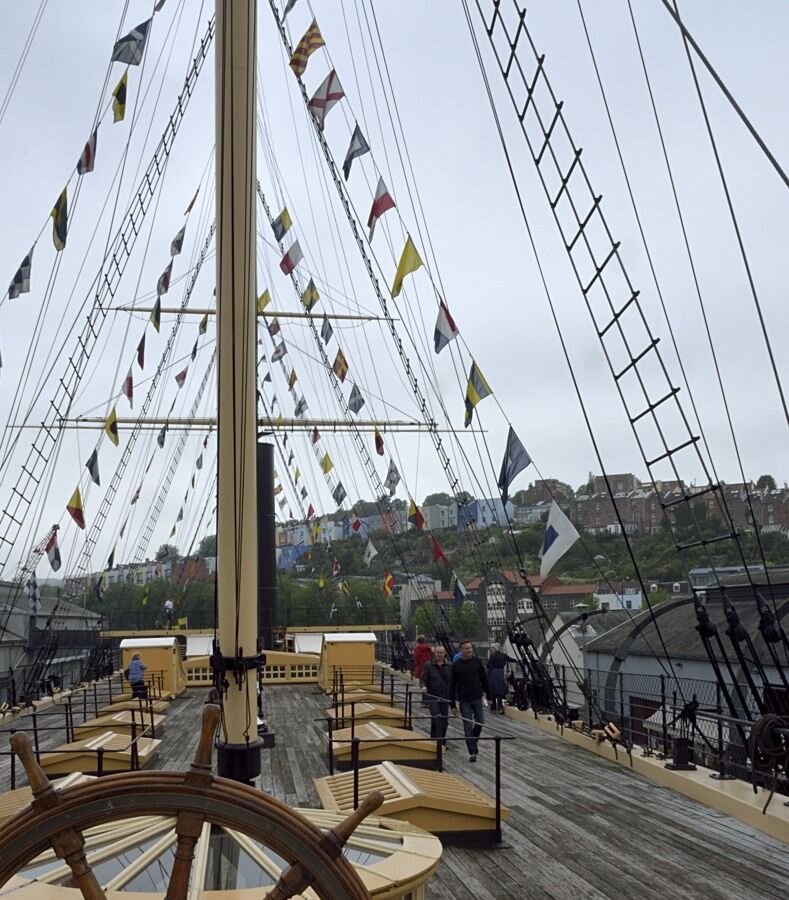
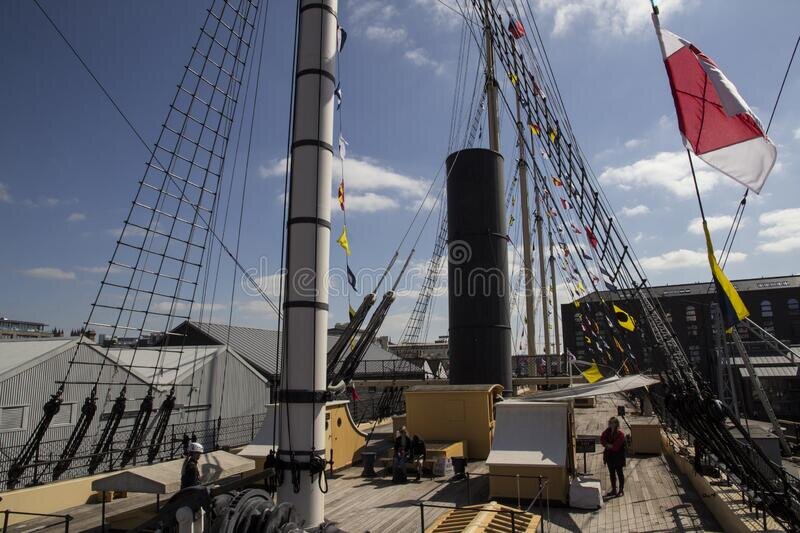

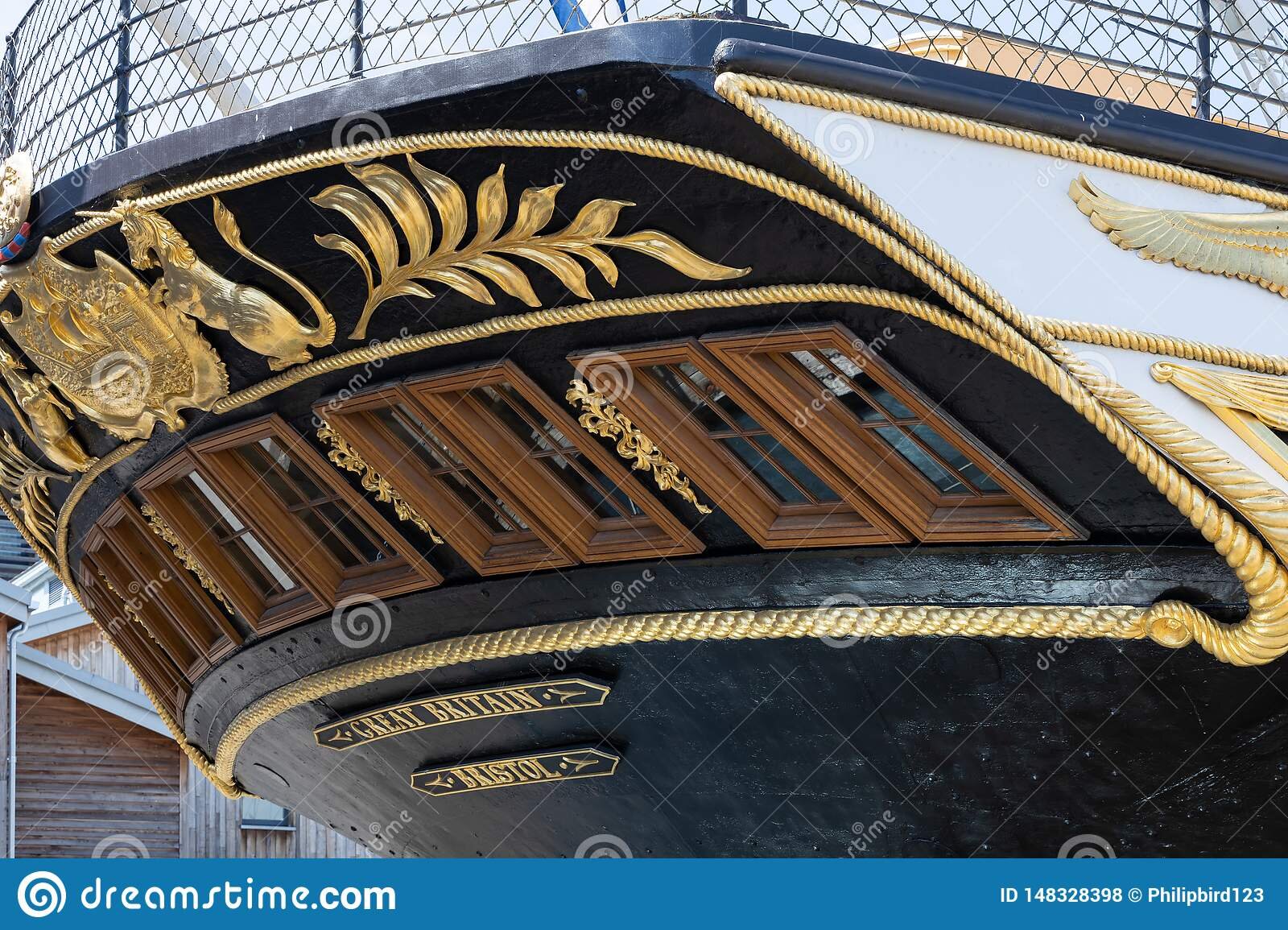
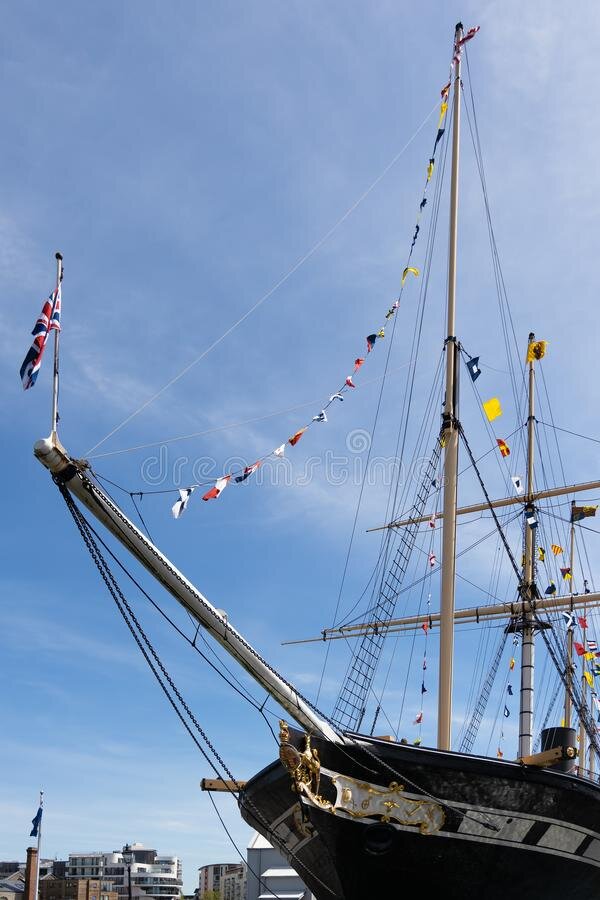

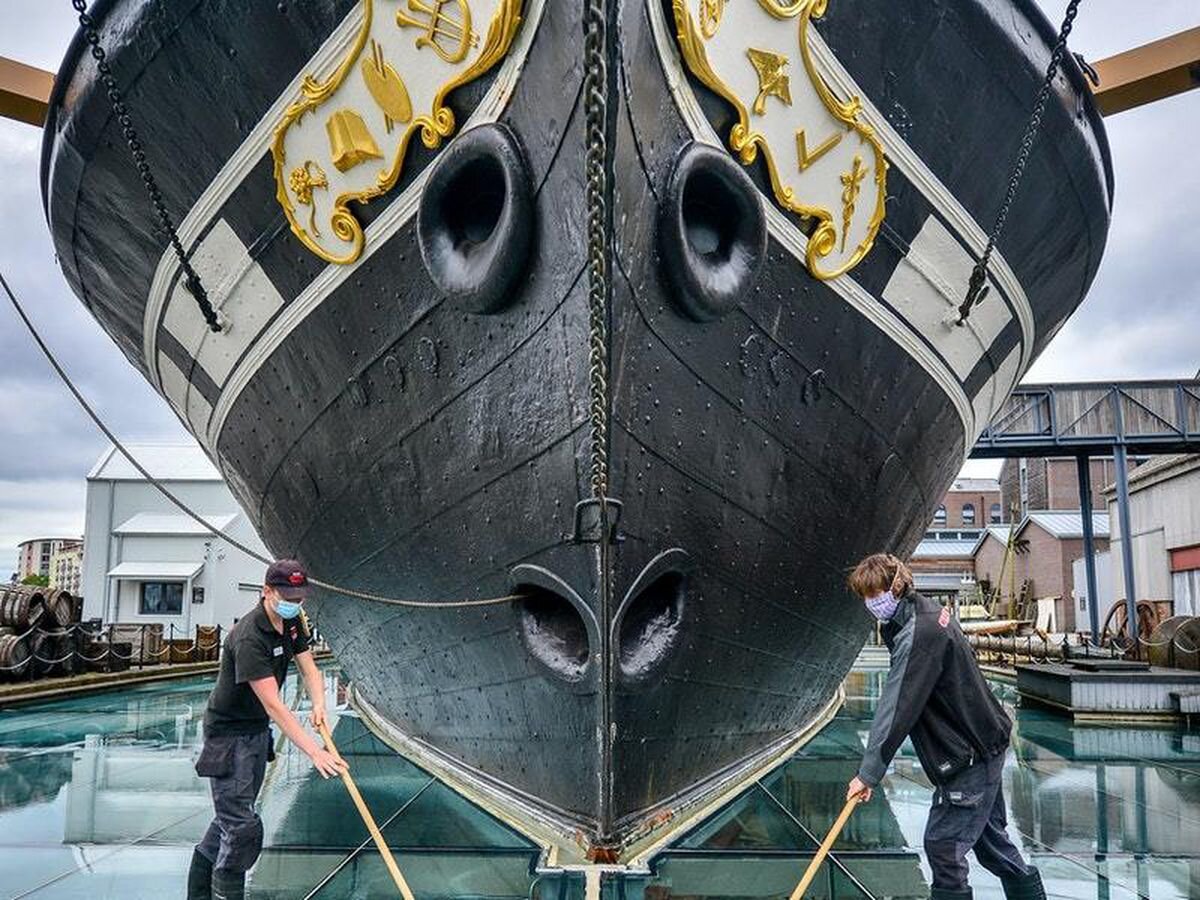
The Challenge
I am a complete novice, know very little about historic ships, have never done a scratch build, and have virtually no specialists tools. In addition, I am not a draftsman, struggle to see shapes and picture the outcome in my head.
The biggest blessing when I started off was that I had no idea of the challenges that was lying ahead.
When I look back then these challenges all awaited in the wings.
Technical:
- Combining iron hull appearance with available model materials
- working with different materials including plating, wood, cloth, rope, plastic
- Balancing sail and steam propulsion elements
- Achieving proper scale for intricate deck and rigging
- working with all sorts of new tools and modelling techniques
- Six-masted sailing configuration
- Running vs standing rigging differentiation
- Proper tension and scale appearance
Research:
- Finding accurate historical references for specific periods
- Determining authentic color schemes and markings
- Understanding the evolution of the ship through various refits
Skills:
- manufacturing and shaping the hull with metal finishing techniques for iron hull effects
- Scratch-building all the deck fittings and mast
- sizing, cutting and fitting the sails and flags
- Complex rigging for multiple mast configurations
- etcheding brass work, side ports and other fine details
- Managing the minute sizes with a model that could not exceed 30 cm.
Design choices
historical relevance The model must reflect the unique build of this magnificent ship Scratch build: SS Great Britain model could not be larger than 30 cm. With the ship being 322 feet long, this converted to a scale of 1:300 iron null With this being the first steel hull ocean liner, it was important to build this into the model sail configuration The ship has gone through various stages of sail configuration changes. The model is showing 6 sails, with chimney and double sails on each mast material selection The aim as to use recycled materials, and self manufactured components, rather than buying in components. interiors The interiors of the ship would not be visible.
With all of that said, the hull assembly could start. The rest of the build is described in the following sections.
SS Great Britain Build Logs
-
SS Great Britain - Planning & Research
December 25, 2021 - Starting the ambitious SS Great Britain project with extensive research, reference gathering, and planning the build approach. -
SS Great Britain - Build Log: Hull Construction
February 10, 2022 - Hull construction phase - assembling the iron hull and adding structural details. -
Ss Great Britain - Build Log : Decking
March 13, 2022 - Deck construction and detailing work including planking, hatches, structural details and masts. -
Ss Great Britain - Build Log: Sails And Rigging
April 15, 2022 - Complex rigging work including six masts, sails, and associated lines and details. -
Ss Great Britain - Build Log: Decoration
May 15, 2022 - Decorative details, painting, and final detailing work before completion.
Status: Planning Complete ✓
Next Log: Hull Construction Begins
Estimated Next Update: February 17, 2022
Have questions or feedback about this project? I'd love to hear from you.